I didn’t expect a K-drama to send me searching for piano concerts, but here we are. Four Hands, Two Sonatas uses classical music as more than background, and every major piece says something about the characters. After finishing the show, I went down a rabbit hole figuring out what I’d been listening to, so here’s the guide I wish I’d had.
Why four hands?
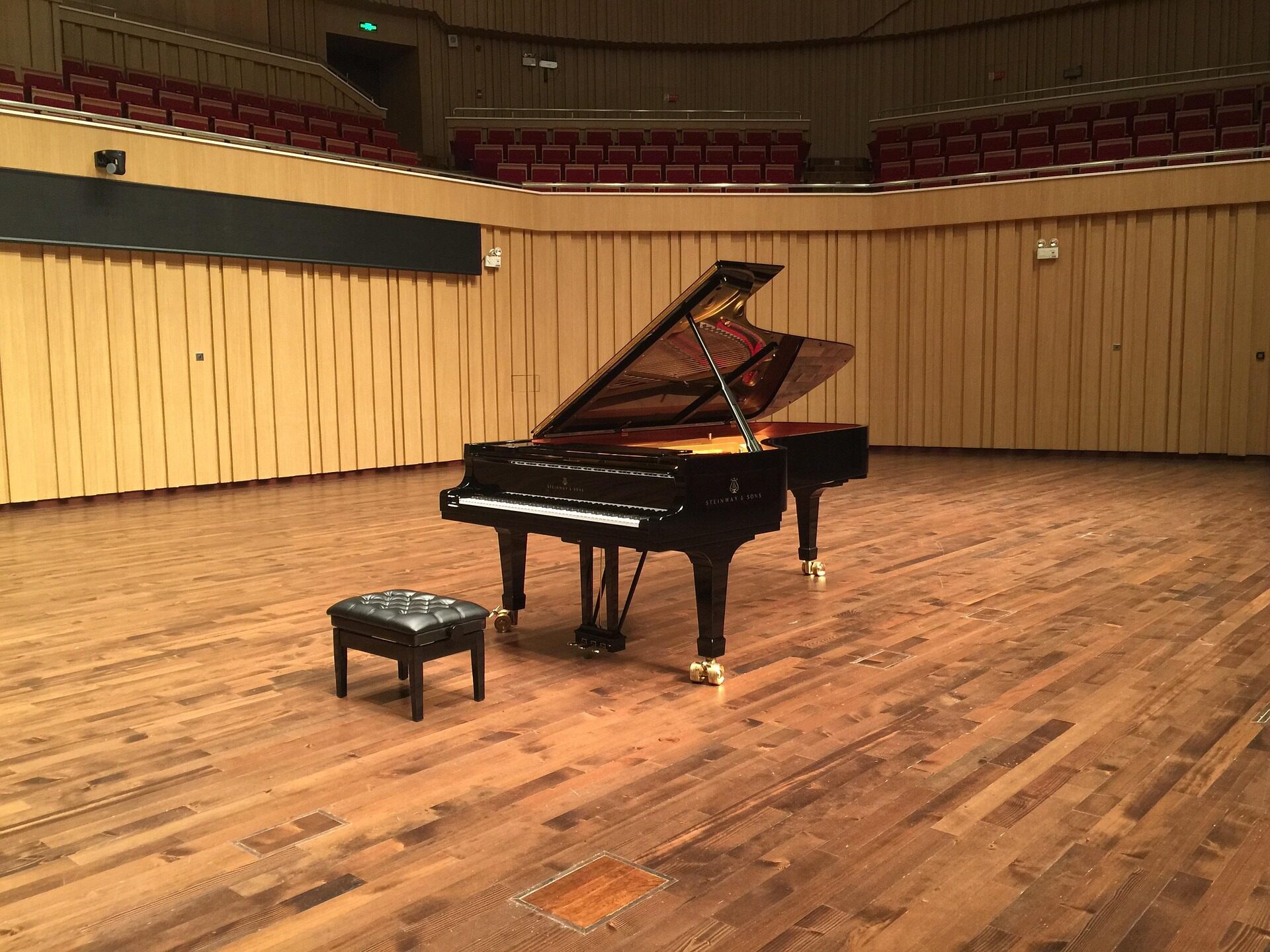
“Four hands” means two pianists sharing one piano. What gets me about it is the harmony: it’s music that can never be played solo. The two players have to delicately complement each other, listening as much as playing, and that’s exactly the relationship the show is about.
Danse Macabre: the piece that brings them together
Camille Saint-Saëns wrote Danse Macabre in 1874 based on a French legend: at midnight on Halloween, Death plays his fiddle in a graveyard, and the skeletons dance until dawn. It’s spooky and playful at the same time, with an eerie “wrong” interval built right into the melody.
In the show, it’s the piece where Jeong-yo and Bi-o first truly connect at the piano, and it’s also what they play together at the Noblesse competition (more on that below). The official soundtrack includes both the four-hand piano version and the full orchestral version, and it’s worth hearing both. If you’re reading this in October, it’s the perfect Halloween listen.
Rachmaninoff Piano Concerto No. 2: Bi-o’s piece
This is Bi-o’s signature piece. It opens the show at the Episode 1 competition and comes back for the Episode 5 showdown. It’s big, dramatic, and technically demanding, which fits a pianist who was shaped by relentless, perfect practice. Watching him play it early in the show, you can almost feel how controlled it is, and that’s the point.
Beethoven’s “Pathétique”: Jeong-yo’s wounds
Beethoven’s Piano Sonata No. 8, nicknamed “Pathétique,” belongs to Jeong-yo. The first movement is stormy and raw, and the show uses it to hint at everything he’s carrying from growing up with so little.
Mozart and Bach
Mozart’s Piano Concerto No. 20 in D minor shows up too, along with four-hand arrangements of two Bach cantatas (BWV 106 and BWV 147, which you might know from “Jesu, Joy of Man’s Desiring”). They’re quieter moments, but they’re beautiful, and they’re all on the official soundtrack.
Other pieces viewers spotted
These come from fans online and aren’t officially confirmed, so take them with a grain of salt: Rachmaninoff’s Piano Sonata No. 2 and Beethoven’s “Appassionata” (Episode 1, in the grandfather’s study), Chopin’s Étude in C-sharp minor, Liszt’s Consolation No. 3, and Bach’s Prelude in C minor (Episode 2), and Tchaikovsky’s Piano Concerto No. 1 (Episode 4, in class).
Where to listen
The official “Four Hands OST Classic Collection” has all the confirmed classical pieces, played by Park Ju-young and Lee Min-sung, the real pianists behind the actors’ performances. The full soundtrack album has everything, including the vocal songs and the original score.
⚠️ Spoilers below
My favorite scene is the Noblesse competition, where Jeong-yo plays Danse Macabre blindfolded with Bi-o beside him, four hands on one piano. It’s the clearest picture of what four-hand playing really asks of two people: trust.
Then there’s “Nemesis,” the piano concerto Jeong-yo spends five years writing and asks Bi-o to premiere. When Bi-o finally performs it on stage near the end, it’s the moment he truly plays with his heart, not his brain. After a whole show of watching him chase perfection, I got goosebumps.
A couple of other pieces carry big moments near the end, too. Bi-o plays Beethoven’s “Moonlight” Sonata for his grandfather in his final moments, and after the two friends reconcile, they sit down at one piano again to play the Sonatina from Bach’s Cantata BWV 106, their first four-hand duet in nine years.
Why it stayed with me
I came for Song Kang and stayed for the music. The show made me appreciate what pianists actually do, and I’m now looking at who’s performing in New York this fall. If I go, I’ll write about it.