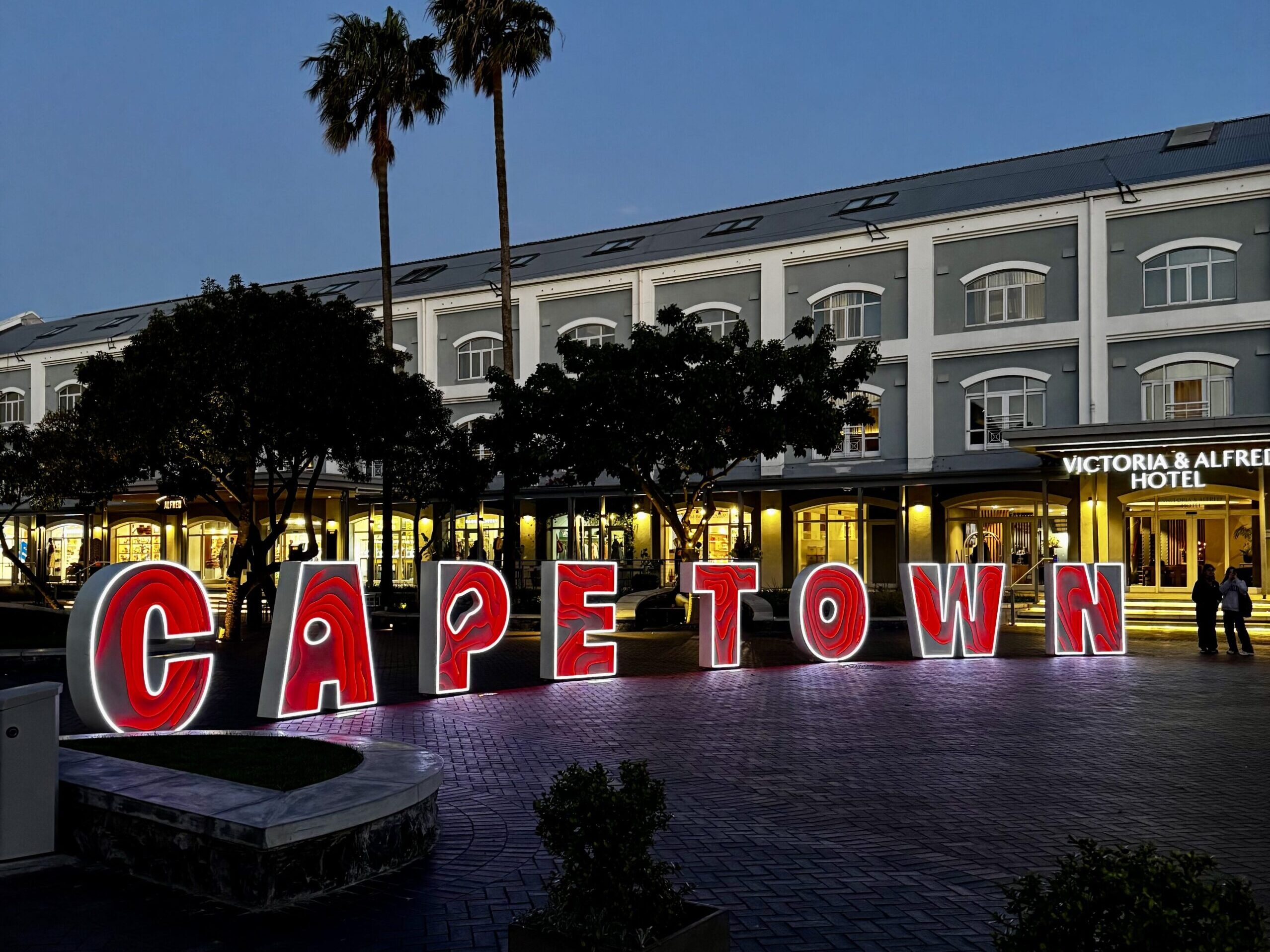
I went to Cape Town as part of an Executive MBA program, so a good chunk of the week was actually spent in a classroom, but I still managed to carve out real time to see the city. This was my first trip to Africa, and I came home with a much fuller picture of Cape Town than I expected going in.
Getting around
Cape Town was surprisingly easy to navigate thanks to Uber. I’d specifically recommend calling Uber Black over the standard option, it costs a bit more but the car quality and driver reliability made it worth it, especially at night.
Table Mountain, Bo-Kaap, and a Camps Bay sunset
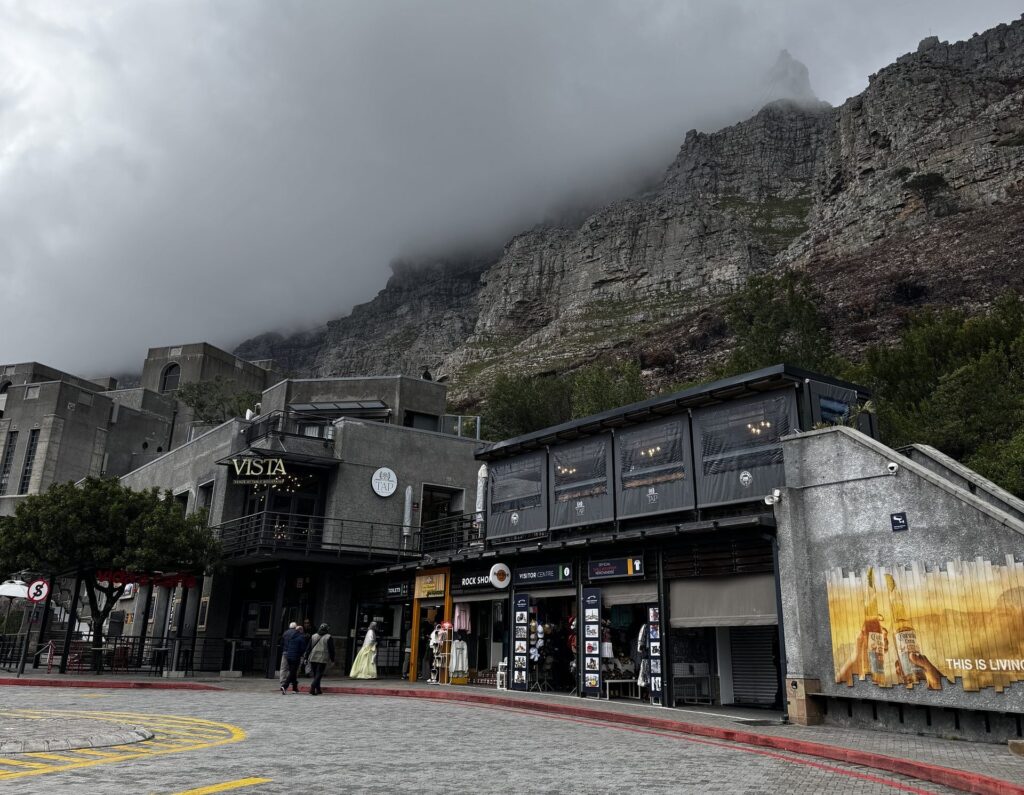
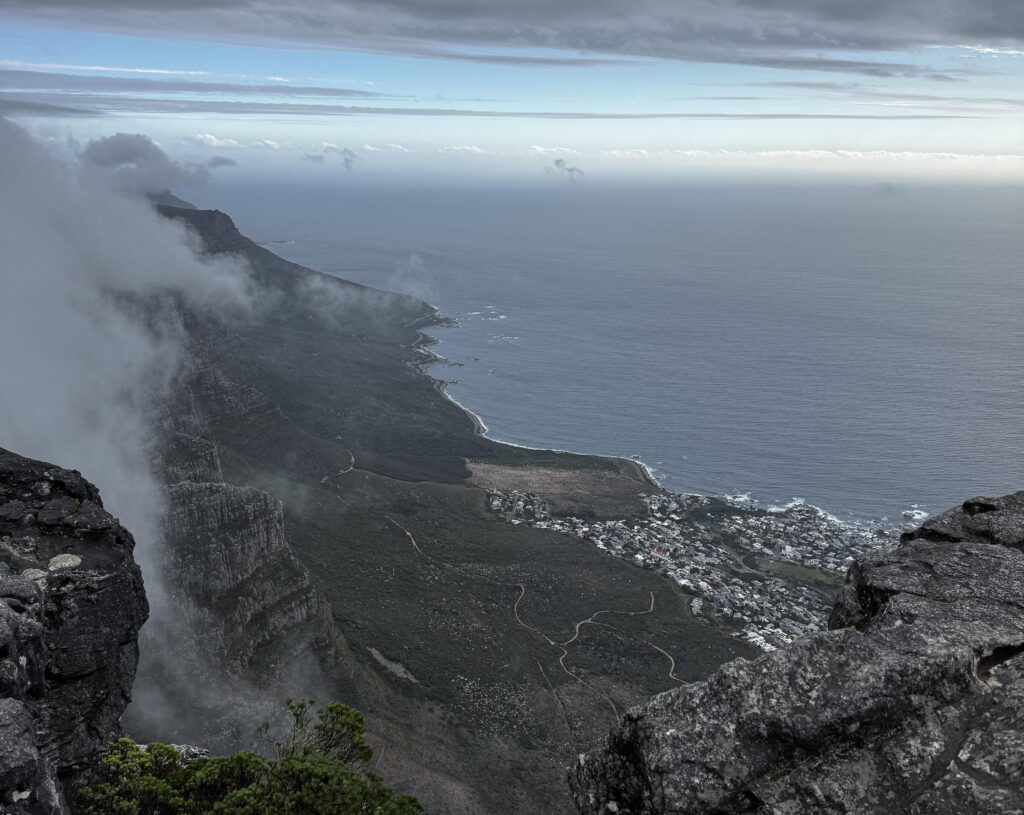
This was the day that made Cape Town click for me. We got unlucky with weather, cloudy and windy, which limited the view more than I’d hoped, so check the forecast before you go and try to build in a flexible day if the mountain is your priority. If you’re not up for the hike, the cable car tickets are easy to buy on-site, no need to book far in advance.
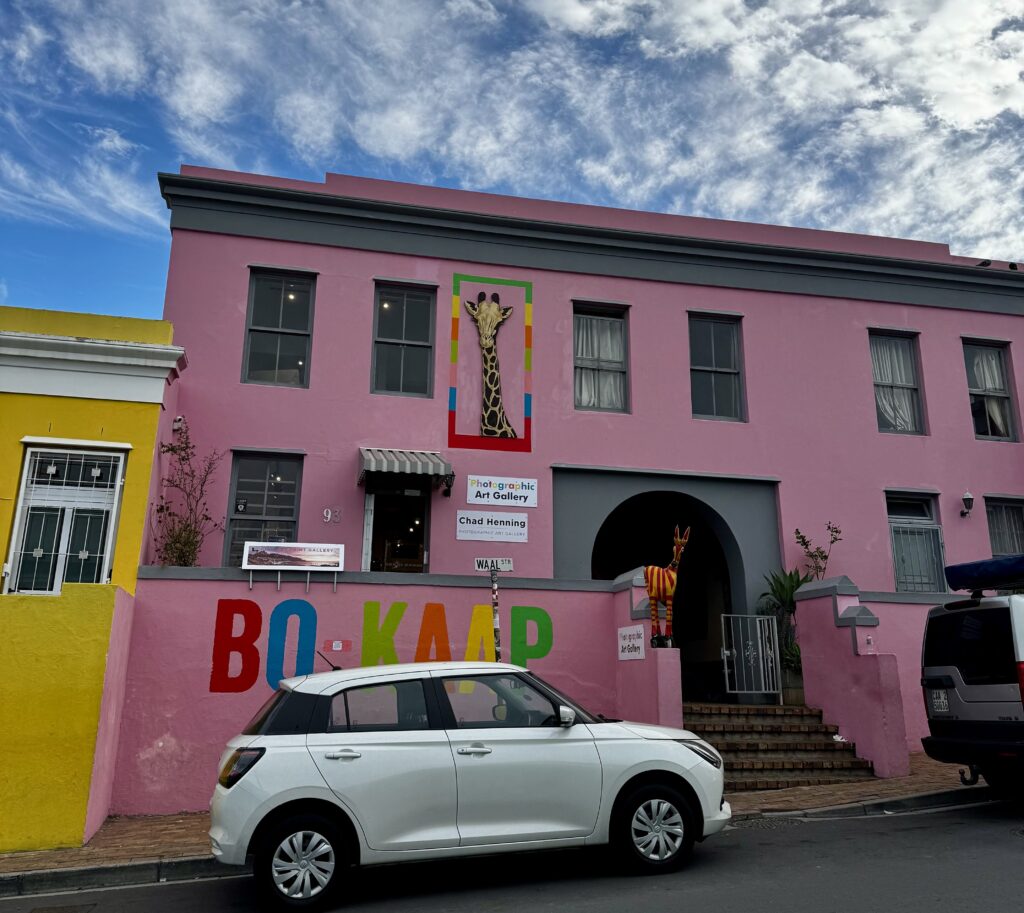
From there we walked through Bo-Kaap, the neighborhood known for its brightly painted houses. One practical note: keep your belongings close here and be discreet with your phone, it’s a real neighborhood, not a theme park, and holding a phone out for too long while filming draws the wrong kind of attention.
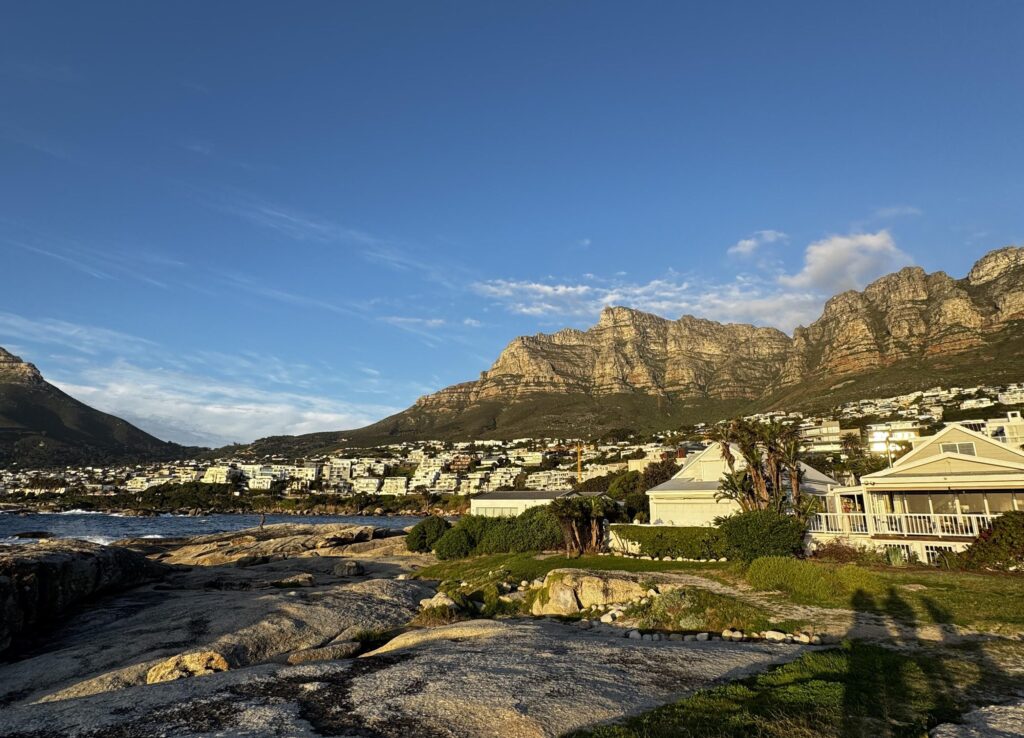
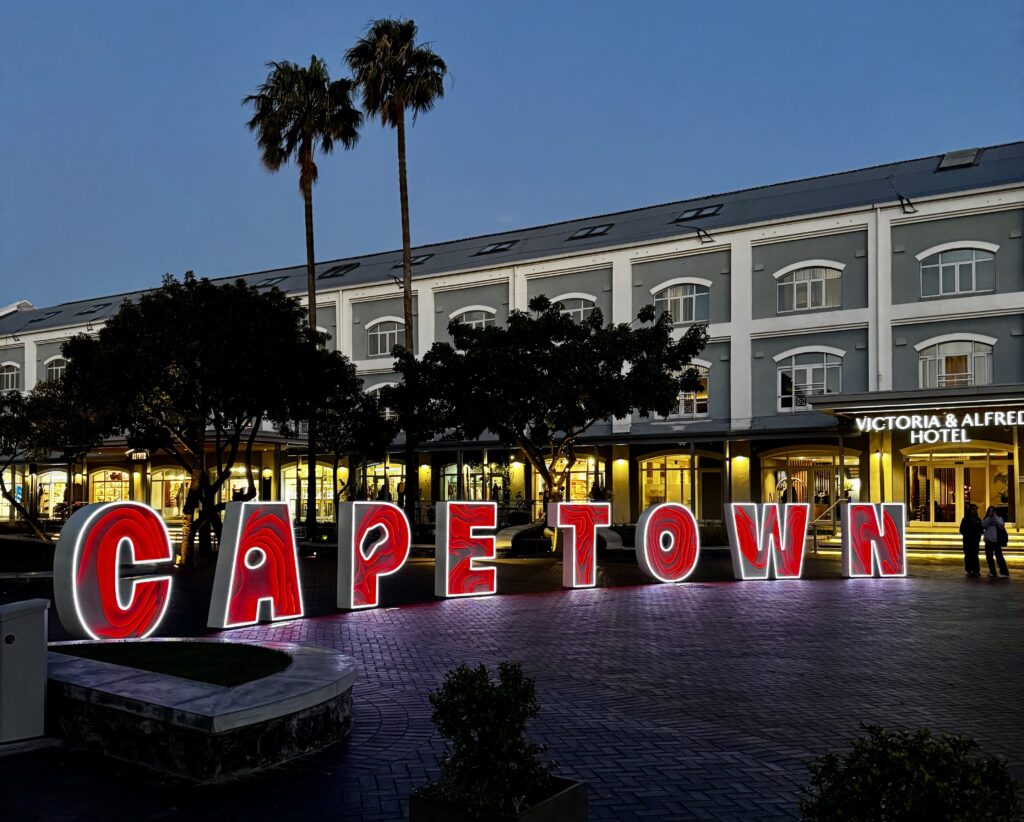
For sunset, skip the crowds at the main Camps Bay beach if you can. A local recommended Bakoven Beach instead, just around the corner, and it was perfect, no tourists, and a full panoramic view of Table Mountain while the sun went down. Afterward we took a long coastal walk toward Camps Bay beach, passing what had to be four or five million dollar homes along the way and doing a little daydreaming about that view being ours. We ended the night with dinner near the V&A Waterfront.
Cape Peninsula day: Chapman’s Peak, Boulders Beach, Cape of Good Hope
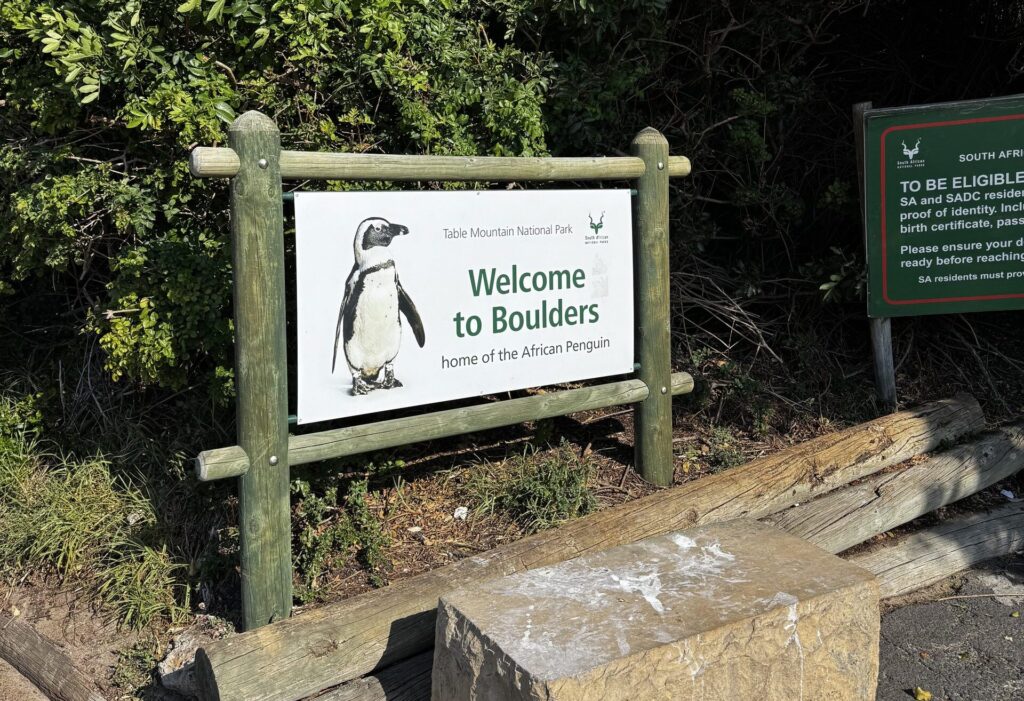
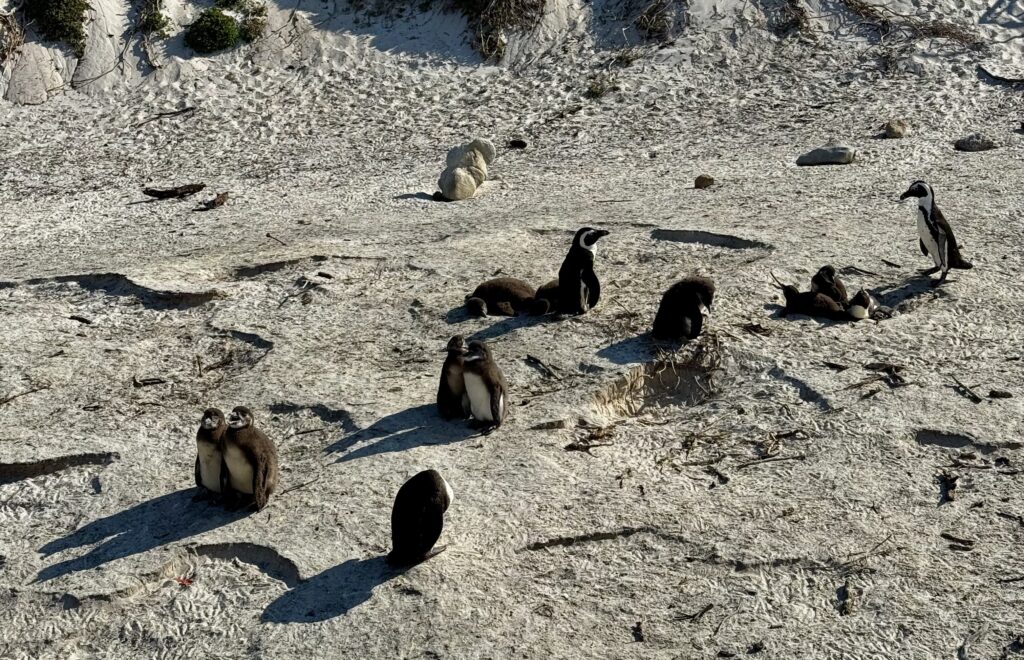
This was a full day trip and worth every hour of it. Chapman’s Peak Drive alone is one of the most scenic roads I’ve ever been on, cliffs on one side and ocean on the other the entire way. Boulders Beach is where you’ll find a colony of African penguins just hanging out on the sand, which was such a strange and delightful thing to see in person. And Cape of Good Hope has that end-of-the-world feeling, wind, cliffs, and the sense that you’re standing at the edge of two oceans meeting.
Stellenbosch and Babylonstoren wine day
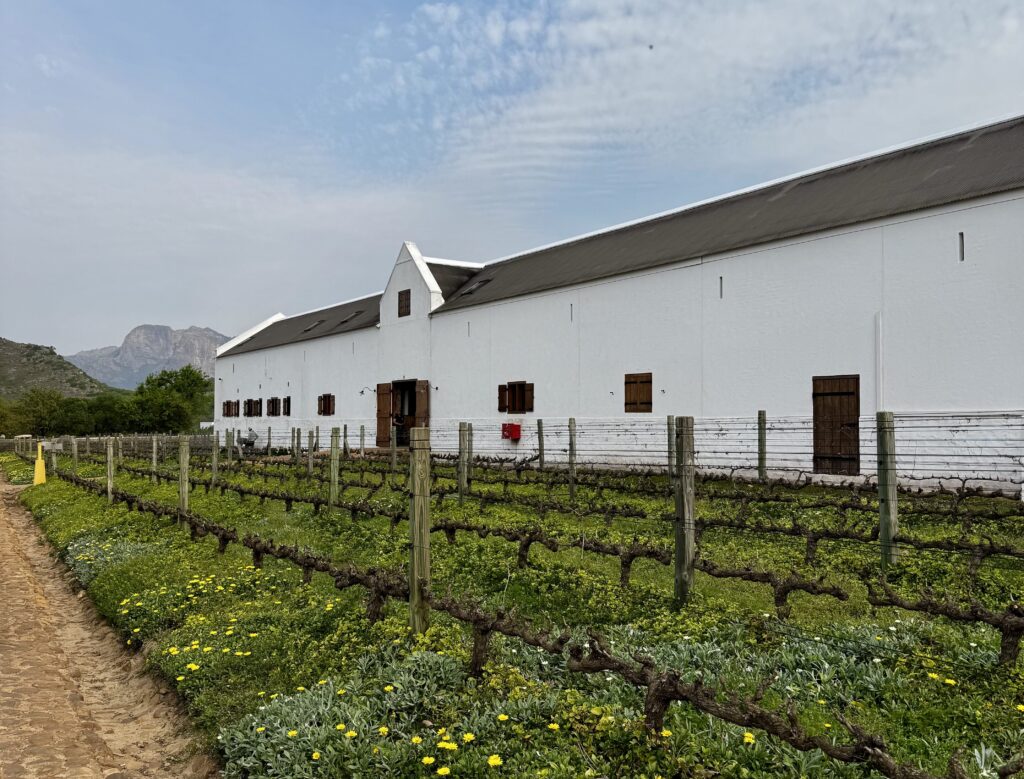
If you like wine even a little, this day is worth building your trip around. Stellenbosch’s historic center is charming to just walk through, all Cape Dutch architecture and old oak trees. Babylonstoren was the highlight though, it’s a working farm and wine estate, and the tasting there felt more like an experience than just sipping wine at a counter. We liked it enough to order bottles shipped home.
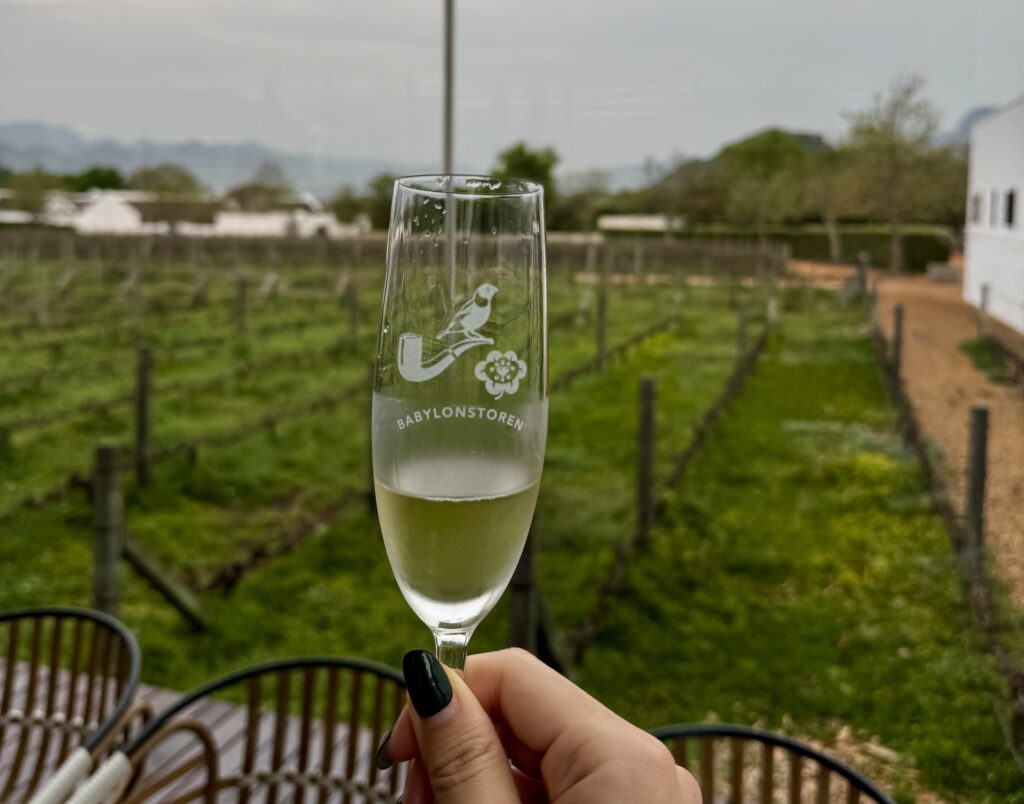
One thing that held true everywhere we went, in restaurants, at wine tastings, didn’t matter: Pinotage. It’s South Africa’s signature red, and it was a must-order at literally every stop.
The Langa Township tour
This was the part of the trip that stuck with me the most, though not in the way I expected going in. Langa is one of the oldest townships in Cape Town, and walking through it on a guided tour was a genuinely mixed experience emotionally. What I remember most isn’t the poverty, it’s the kids. Every child we passed came up to say hi, so curious and friendly toward visitors, with this pure, happy energy that had nothing to do with how little they had materially. It’s stayed with me more than almost anything else from the trip, and it’s the kind of thing you really can’t understand secondhand, you have to go.
Food
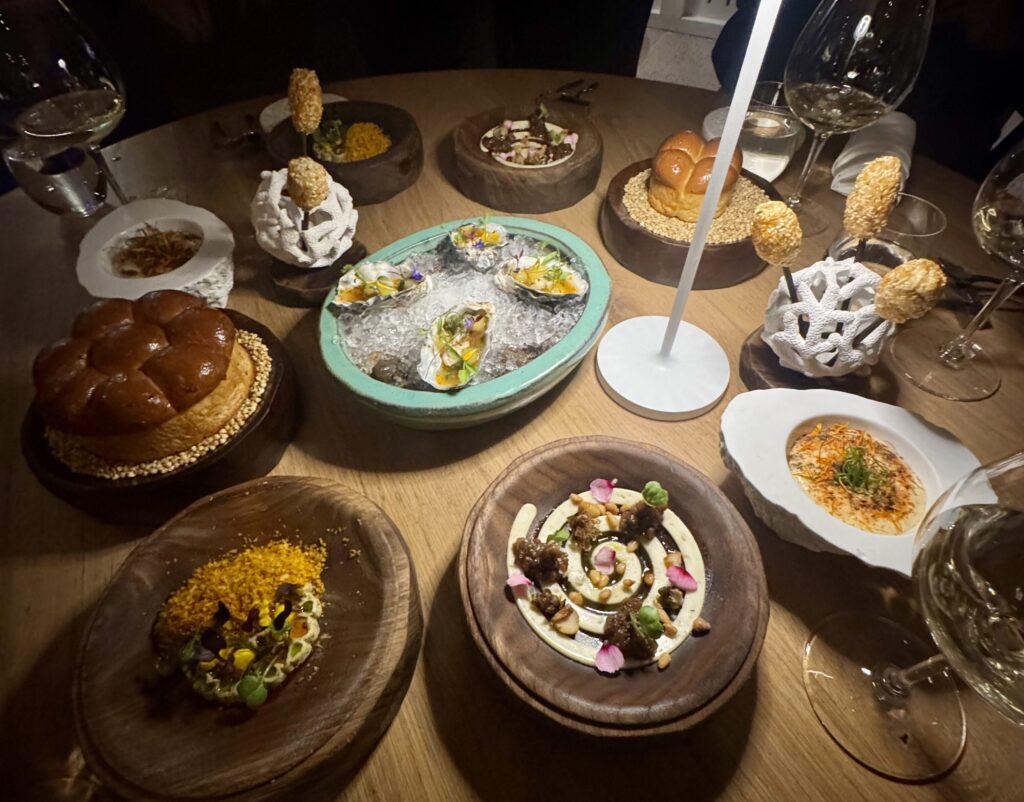
We stayed at a hotel with Tobagos for breakfast and lunch most days, which was fine but nothing memorable. Dinners were where Cape Town really delivered. SEVRUGA, GOLD (known for its African performance dining experience), and Bobo’s by Kove Collection were all excellent. But the standout was PIER Restaurant at the V&A Waterfront, we did the chef’s tasting menu paired with a local Sauvignon Blanc and Pinotage, and it was genuinely one of the best meals I’ve had. If you only book one nice dinner in Cape Town, make it that one.
A few practical notes
If you’re picking where to stay, areas like Camps Bay, V&A Waterfront (we stayed at Radisson Collection Hotel, Waterfront Cape Town), Sea Point, and Green Point are the go-to spots for visitors, each with a slightly different vibe (Camps Bay for the view, Waterfront for convenience, Sea Point and Green Point for a quieter, more local feel). Cape Flats and Kraaifontein are generally areas visitors are advised to stay away from unless you’re on an organized tour, which is exactly how we experienced Langa, safely, respectfully, and with a local guide.