After a week in Cape Town, my husband and I flew from CPT to TNR (Antananarivo) with a layover in JNB. This leg of the trip was the wildest, most memorable, and honestly the most physically demanding part of the whole two-week journey.
Getting there, and a rest night in Antananarivo
Flights within Madagascar run once or twice a day to most destinations, so we had to spend a rest night in Antananarivo right after arriving before continuing on. We stayed at the Novotel, which was comfortable and an easy first night.
One practical note: we started taking malaria pills 24 hours before arriving in Madagascar. Looking back, I don’t think we strictly needed them for where we went, but that’s a call every traveler should make for themselves based on their own risk tolerance and doctor’s advice.
Arriving at Morondava, Pirogue Tour, Avenue of the Baobabs
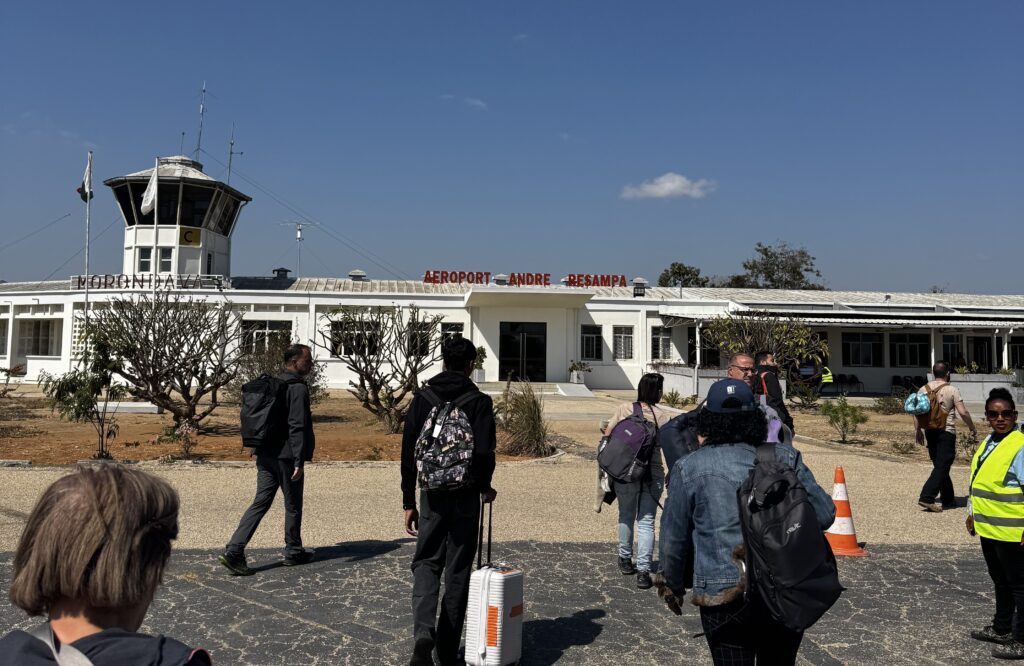
The next morning we flew from TNR to Morondava to see the Avenue of the Baobabs. The hotel picked us up, we stayed at Maison Charette, though I wouldn’t specifically recommend it, there just aren’t many hotel options in the area, so don’t expect much.
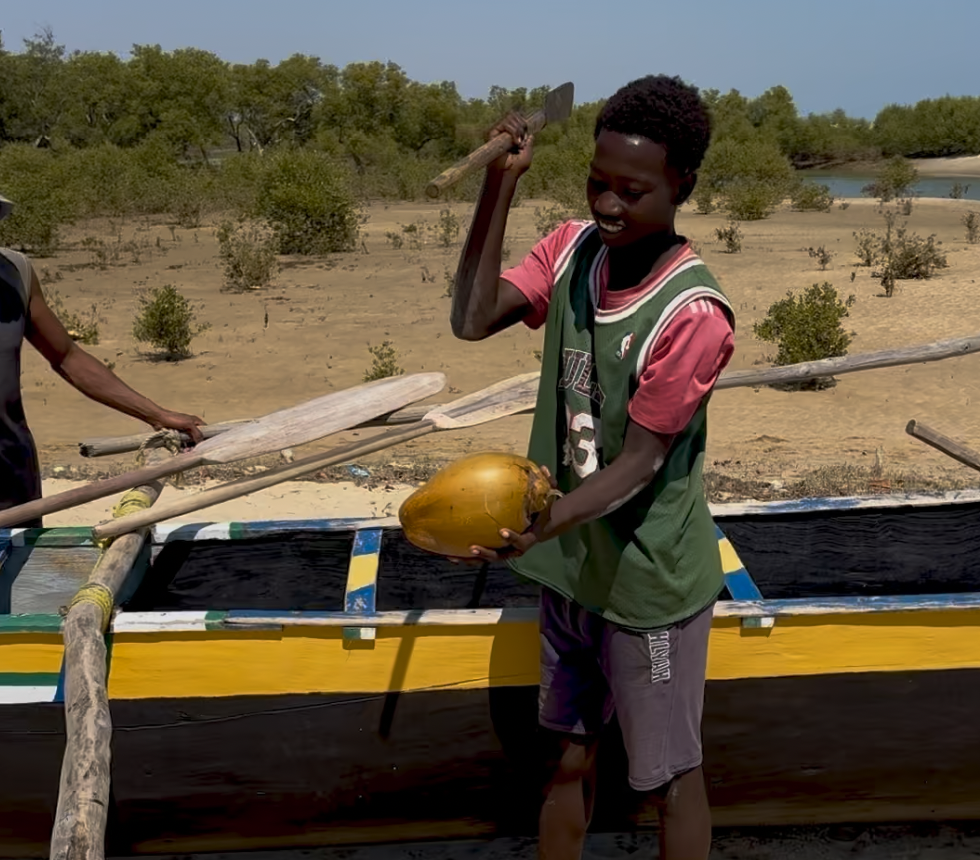
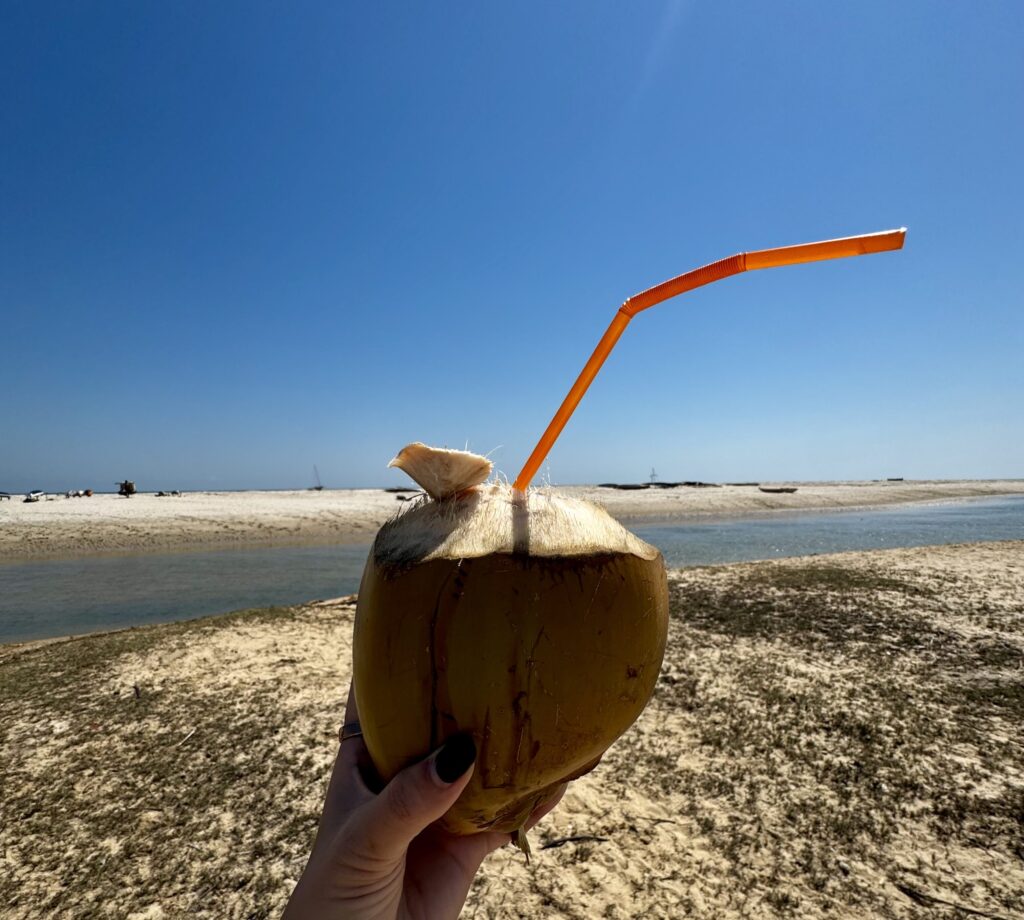
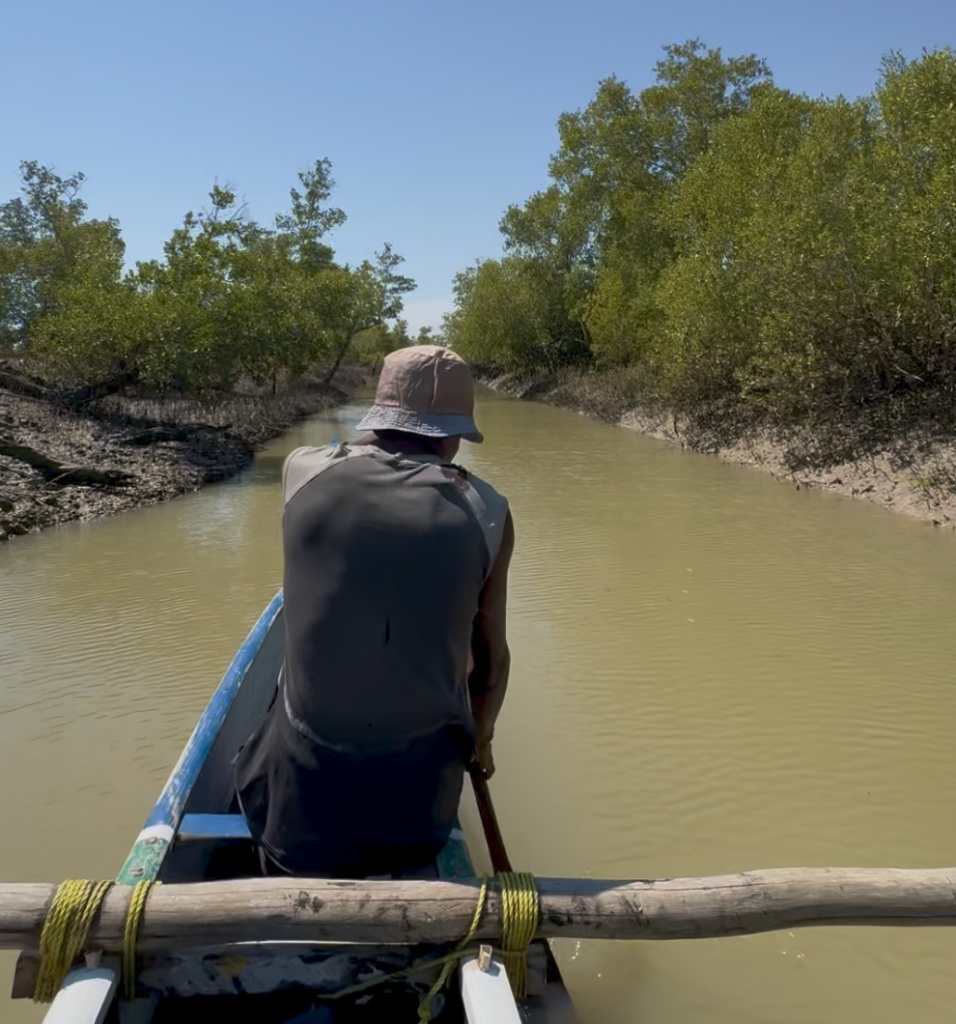
We started with a pirogue tour through the mangroves, an hour and a half of peacefully cruising while sipping coconuts. Then we changed and headed out for the sunset tour, a bumpy 35 minute drive that turned out to be a great window into how locals actually live along the way.
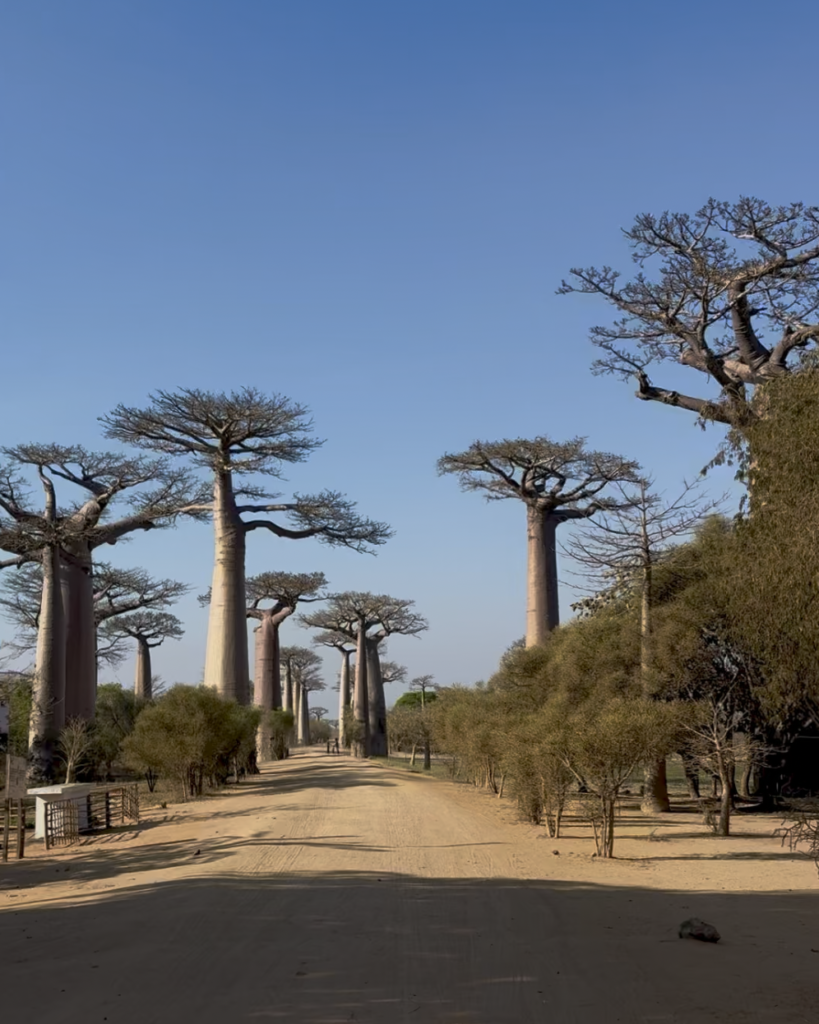
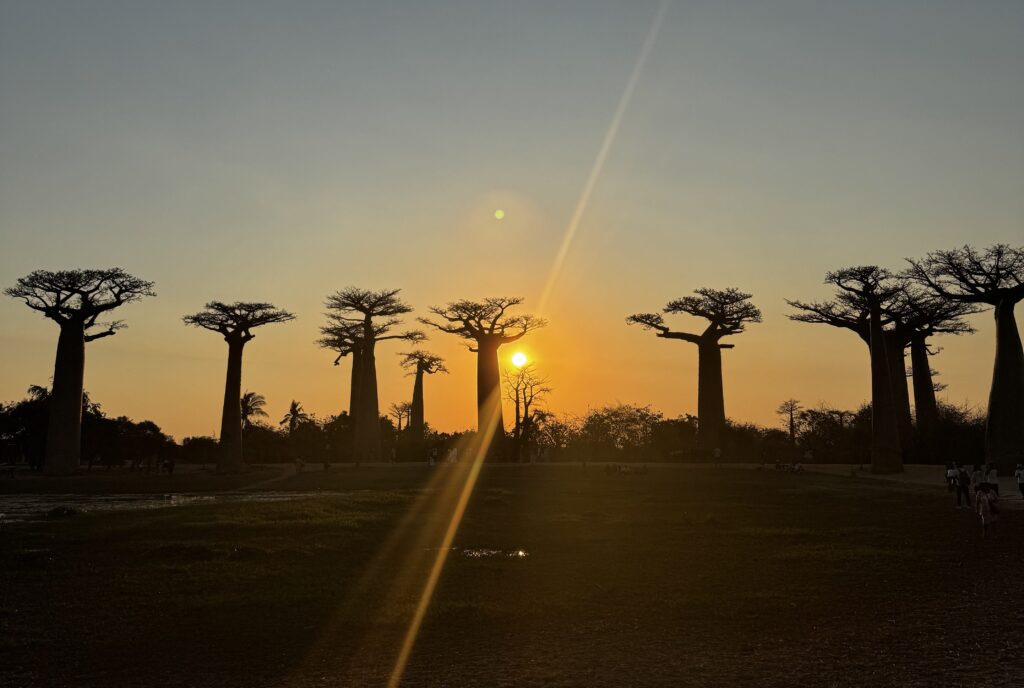
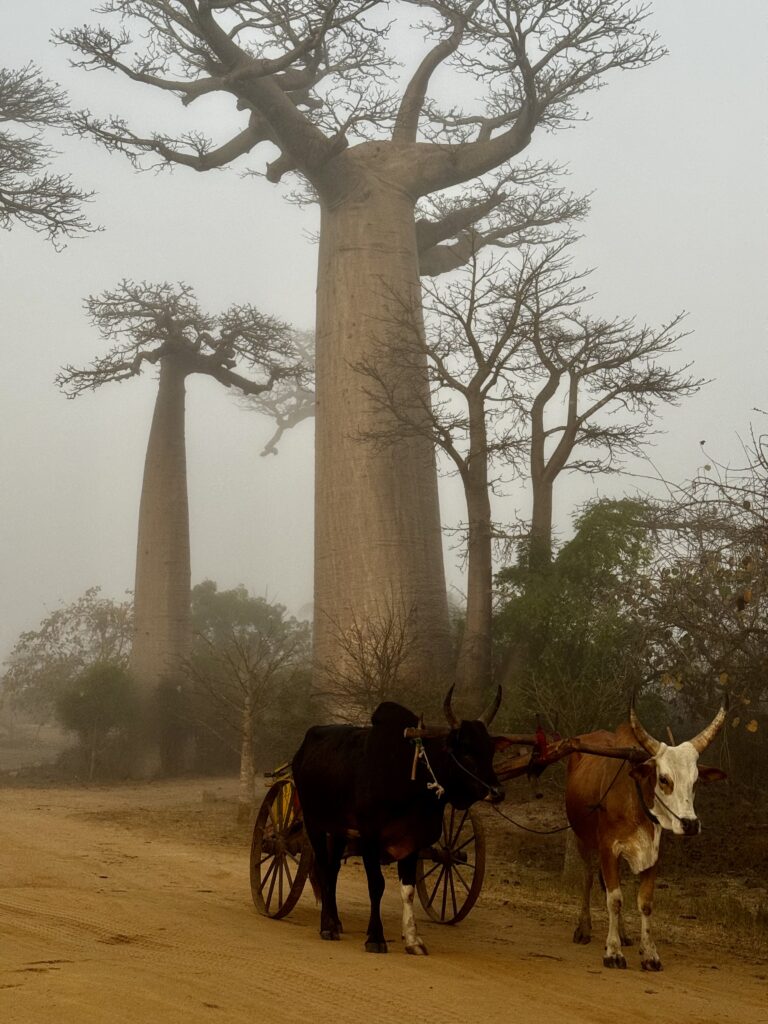
The Avenue of the Baobabs itself was breathtaking. I’ve never felt anything like the magnificence of trees that are thousands of years old just standing there. We walked all the way to the Elephant Baobab, a great photo spot, then walked back in time to catch the sunset, which genuinely felt like living inside a movie. It’s the kind of feeling you can’t get from a photo, you have to be standing there yourself. We picked up some handmade baobab wood souvenirs before heading back to the hotel.
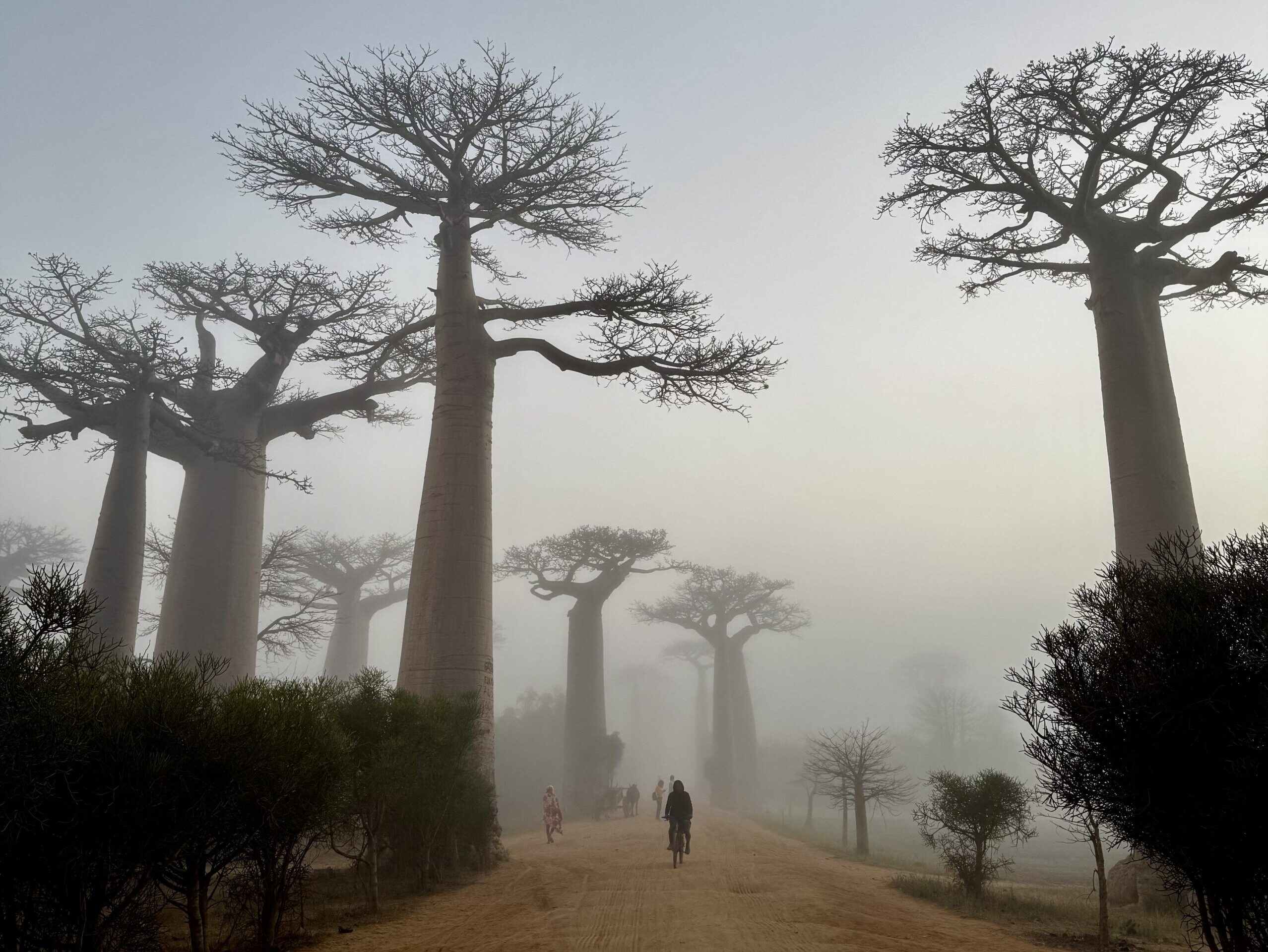
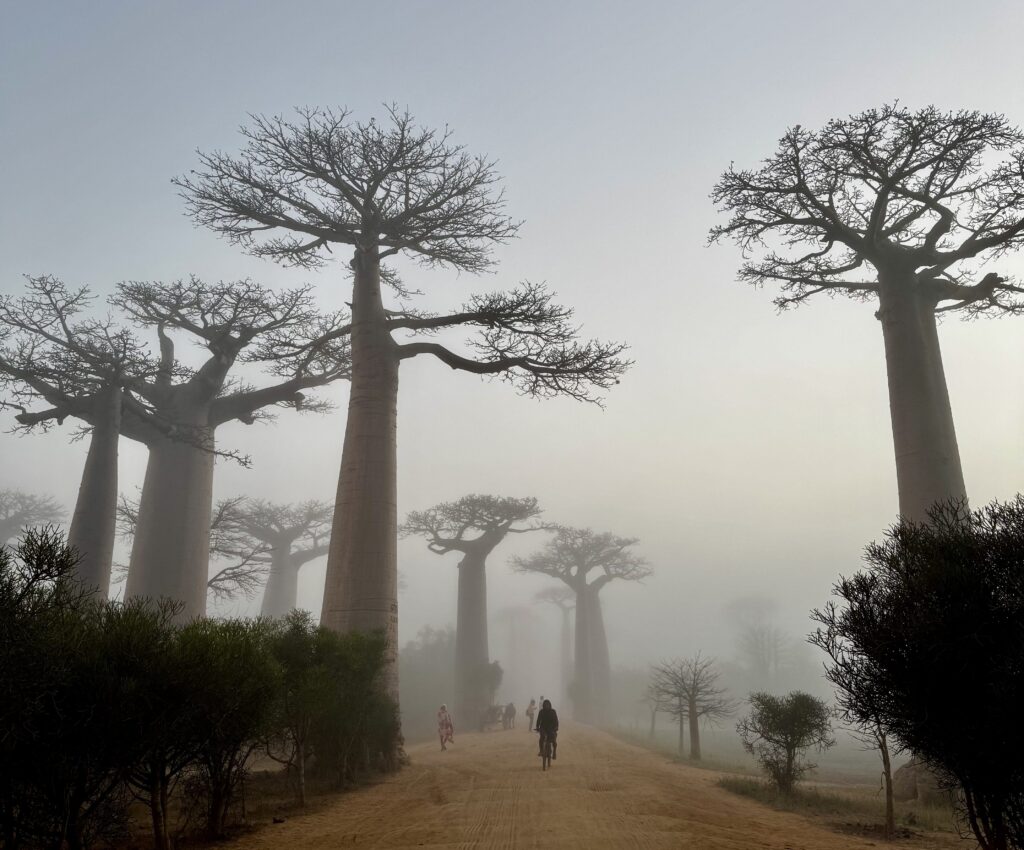
The next morning we went back out hoping to catch sunrise, but fog rolled in and blocked it. As a consolation, it gave us this rare, misty view of the baobabs instead, mystical in its own way, honestly a scene most visitors don’t get to see. Same day, we flew back from Morondava to Antananarivo.
A few honest disclaimers about Madagascar
- It’s a cash economy. Carry cash everywhere. It’s completely normal for merchants to ask for it, not suspicious at all, and not having enough can genuinely limit what you’re able to do. Check in advance which vendors take cards, because most don’t.
- Expect a lot of “nothing” on the drives. Much of the landscape is rice fields with zebu (Madagascar’s version of cattle, and a real symbol of wealth and a good meal there). Even the Morondava area was dry and sparse. Outside a few crabs near the mangroves, we barely saw wildlife or even insects on these stretches, the animals are concentrated in specific reserves, not scattered along the roads.
The brutal drive to Andasibe
Back in Antananarivo, we were picked up by a guide from MadaRako Tours, who only accepted cash, which meant hours at a local bank wrestling with the ATM, probably the single most unpleasant experience of the whole trip.
Then came a six hour drive to Andasibe that would take an hour or two back home. Madagascar has essentially one road crossing the country west to east over the mountains, shared with a steady stream of trucks that can stop anywhere or get into accidents with real consequences for your schedule. It was a genuinely painful drive.
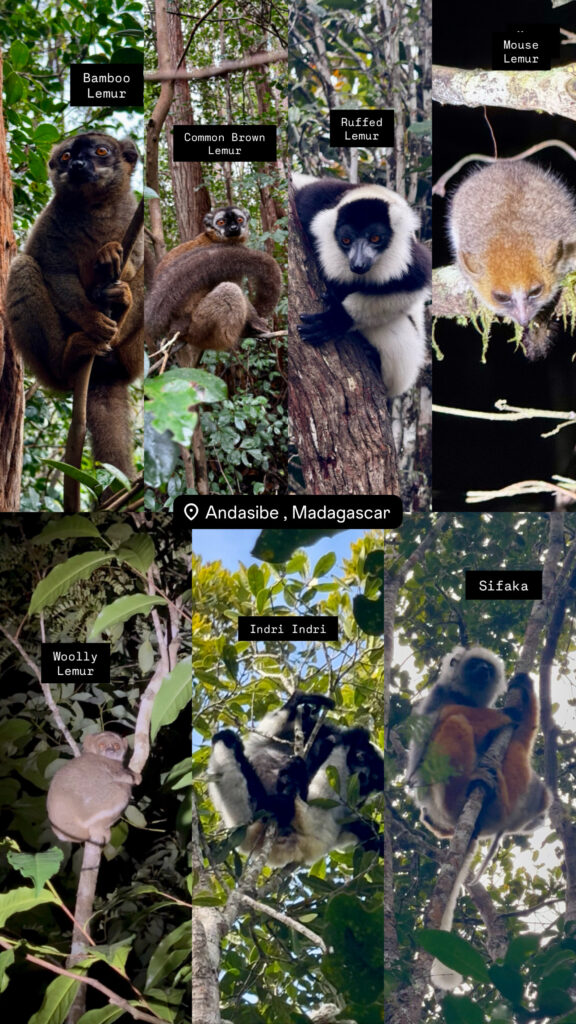
It was worth it. We arrived in time for a night walk at VOIMMA, a two hour trail search that turned up nocturnal lemurs, including a mouse lemur and a woolly lemur. After that we checked into Relais de Mantadia, which I’d highly recommend, we would have happily stayed there for the entire trip if we could have.
Indri, sifakas, and Vakona’s lemur island
The next morning we went into Analamazaotra Special Reserve, part of Andasibe-Mantadia National Park, specifically to see the Indri. It’s the largest living lemur, critically endangered, and found only in Madagascar’s eastern rainforest belt, Andasibe is genuinely one of the best places on earth to see one in the wild. We spent three hours hiking and trailing and spotted two family groups, an incredible experience hearing them communicate with these loud, haunting calls that carry for miles. We also spotted sifakas along the way.
From there we went to Vakona Forest (Lemur Island) for a close encounter with lemurs living on the reserve, bamboo lemurs, common brown lemurs, ruffed lemurs, and sifakas, some with babies. My favorite were the bamboo lemurs, small, shy, and unbelievably cute. It’s the kind of up-close wildlife encounter that doesn’t feel real while it’s happening.
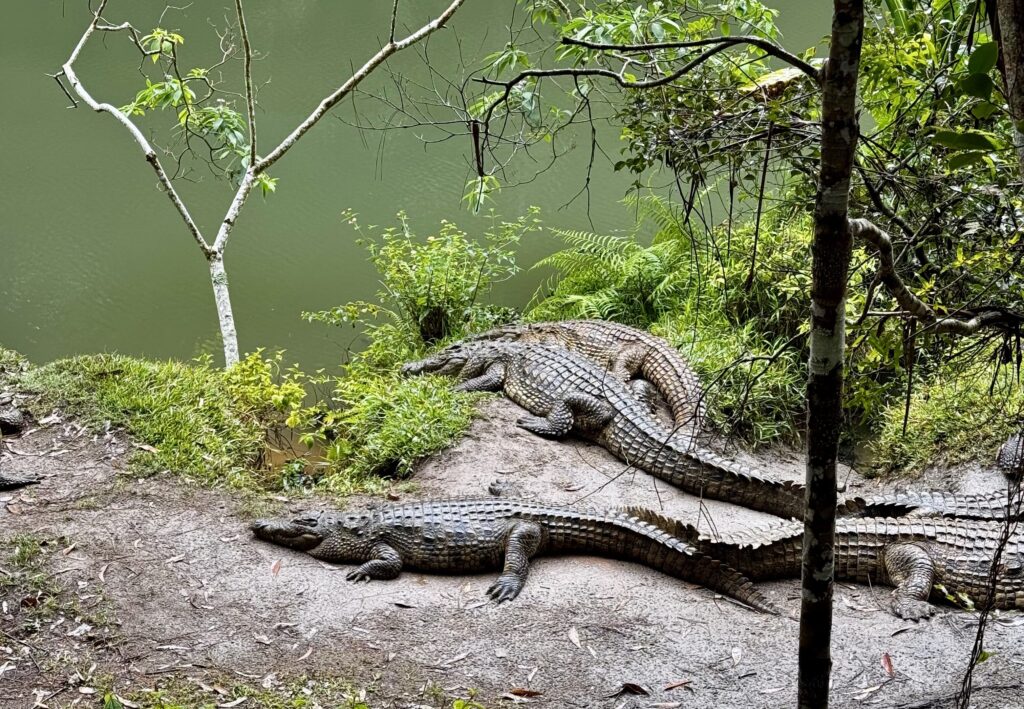
On the drive back to Antananarivo, we stopped at Peyriras Reserve and croc farm to see reptiles and crocodiles, species you genuinely can’t find anywhere else.
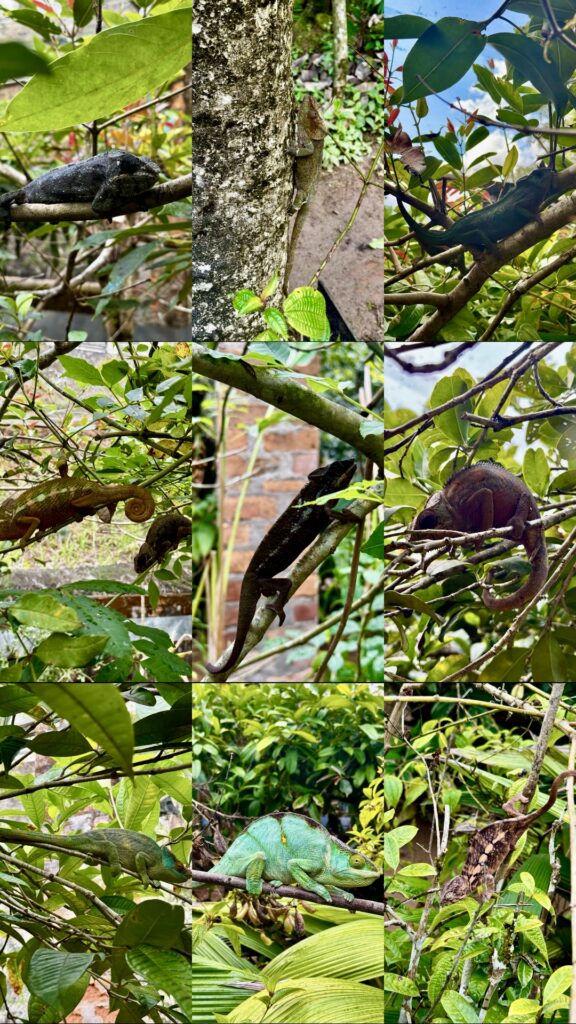
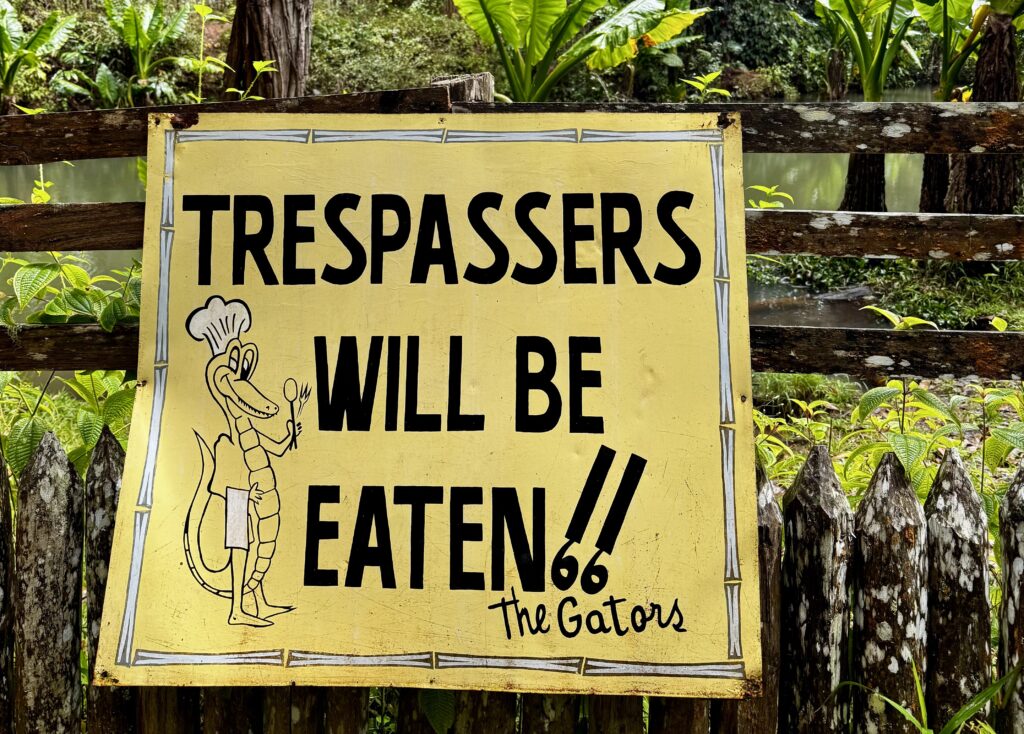
Back in the city, we spent our last night in Madagascar at the Radisson Blu Hotel, Antananarivo Waterfront, a nice, comfortable way to close out the leg after that brutal drive. We flew out the next day and skipped Queen’s Palace, next time.