After Madagascar, we flew to Johannesburg to start the final leg of the trip. Flights to the Kruger area are limited, so we spent a night near the airport before continuing on, more on that below.
Getting to Hoedspruit
Because flights into Hoedspruit (HDS), the gateway airport for this part of Kruger, don’t run often, we spent a night at City Lodge right at OR Tambo Airport in Johannesburg. It was exactly what it needed to be, an easy walk from the terminal, fine for a quick overnight reset before an early flight the next morning.
The next morning we flew from JNB to HDS and were picked up by our lodge.
Tomo Safari Lodge
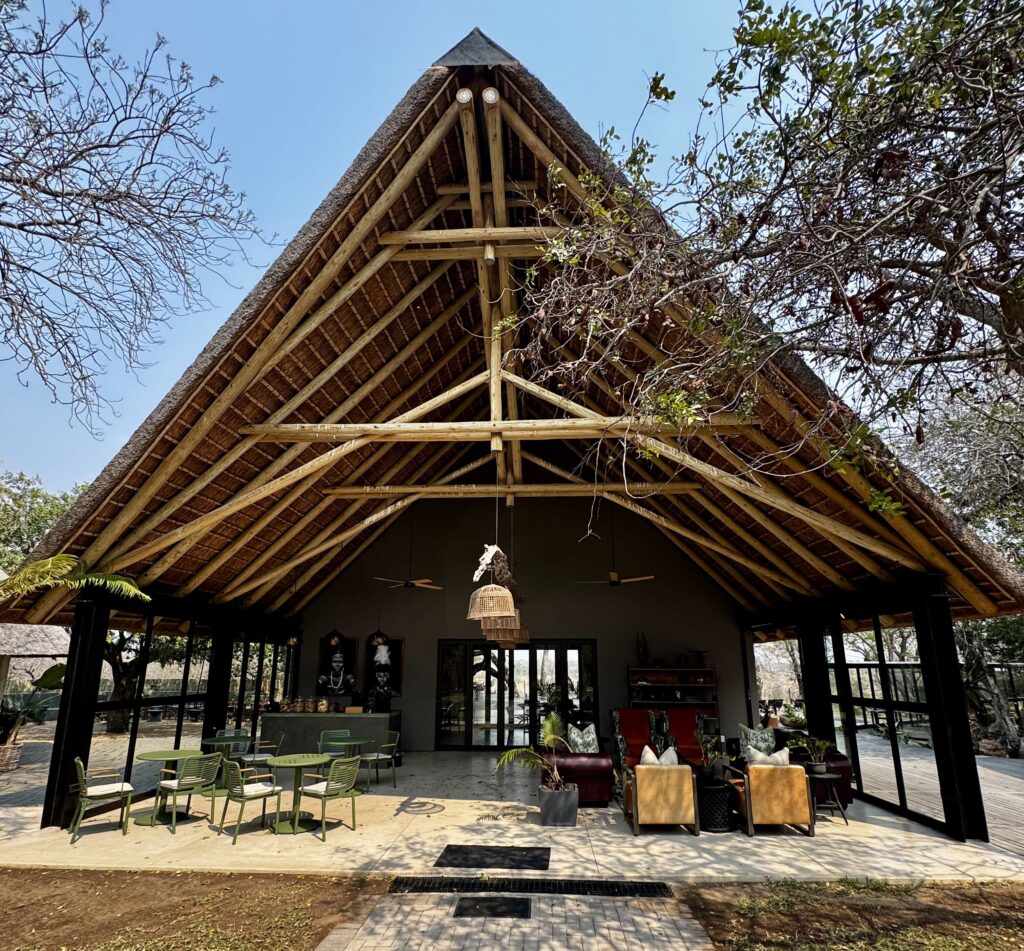
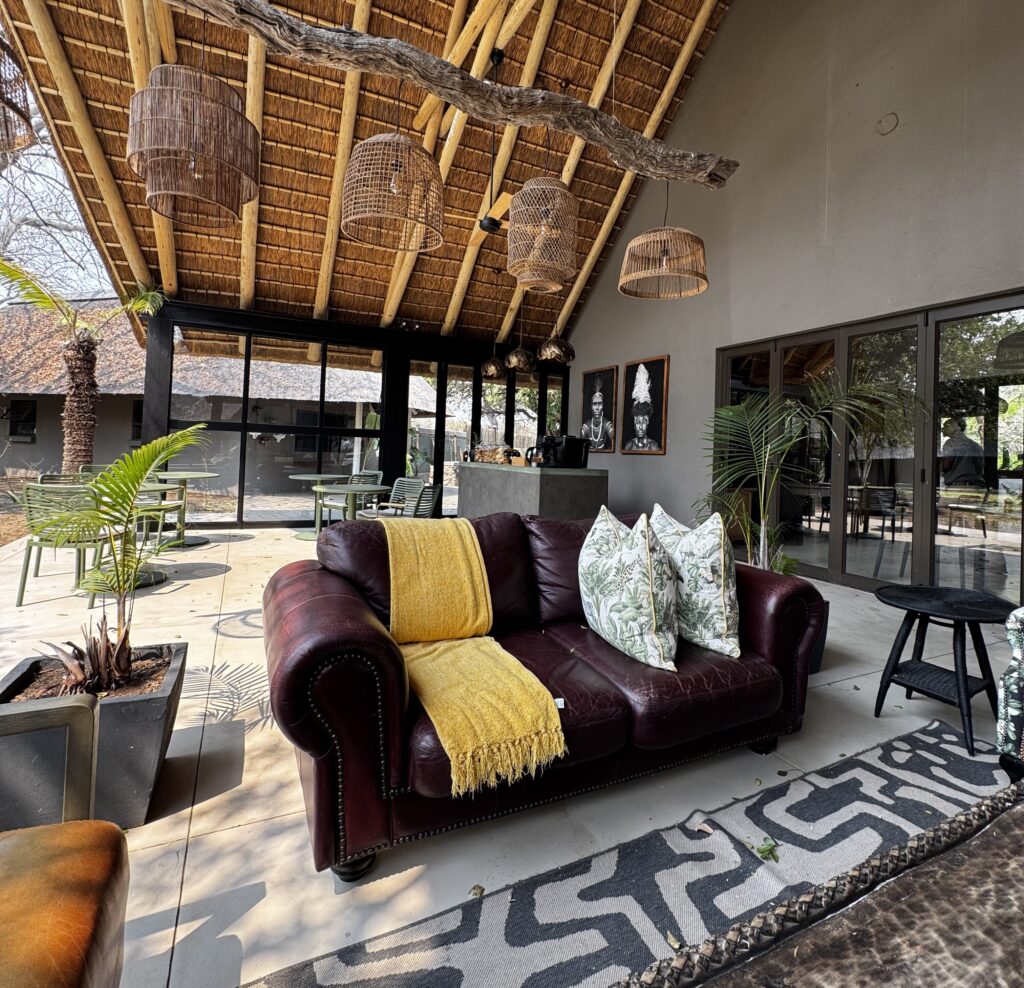
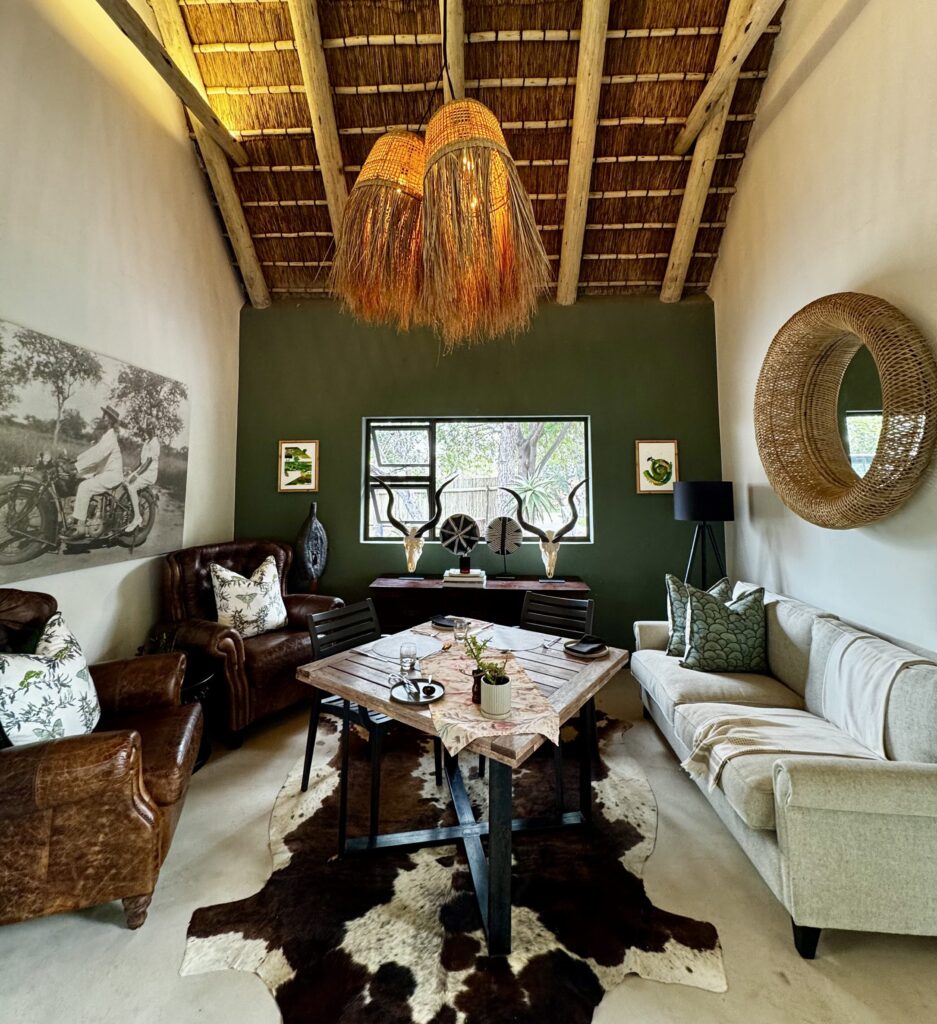
I was completely mind-blown by this place. The vibe, the luxury, and the fact that impalas and kudus just wander in and out of the lodge grounds like it’s nothing, it didn’t feel real. We arrived into unusually windy conditions, a rare wind storm for the area, though thankfully no rain.
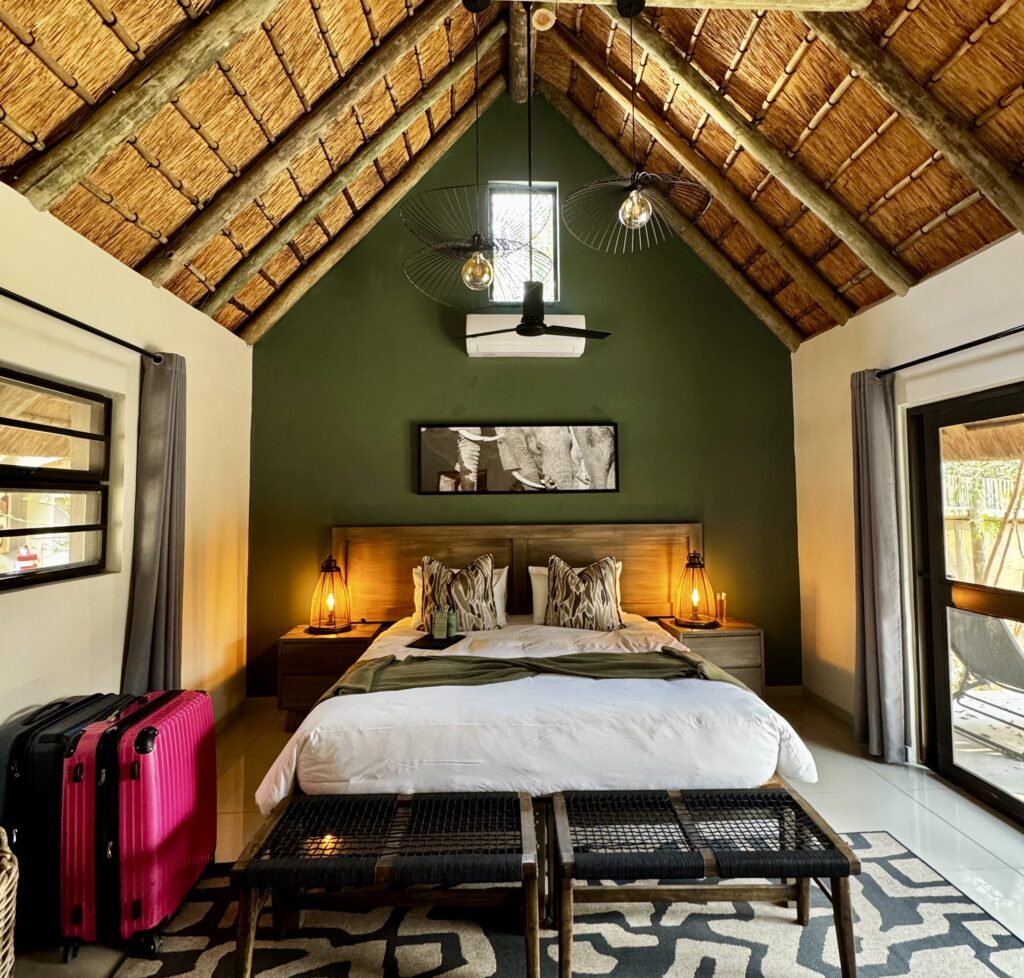
One disappointment: the sunrise hot air balloon safari that was on our itinerary got cancelled because of the wind. If you’re planning a Kruger trip around a balloon ride specifically, build in some flexibility, since weather can take it off the table with little notice.
Game drive one: the variety hits you fast
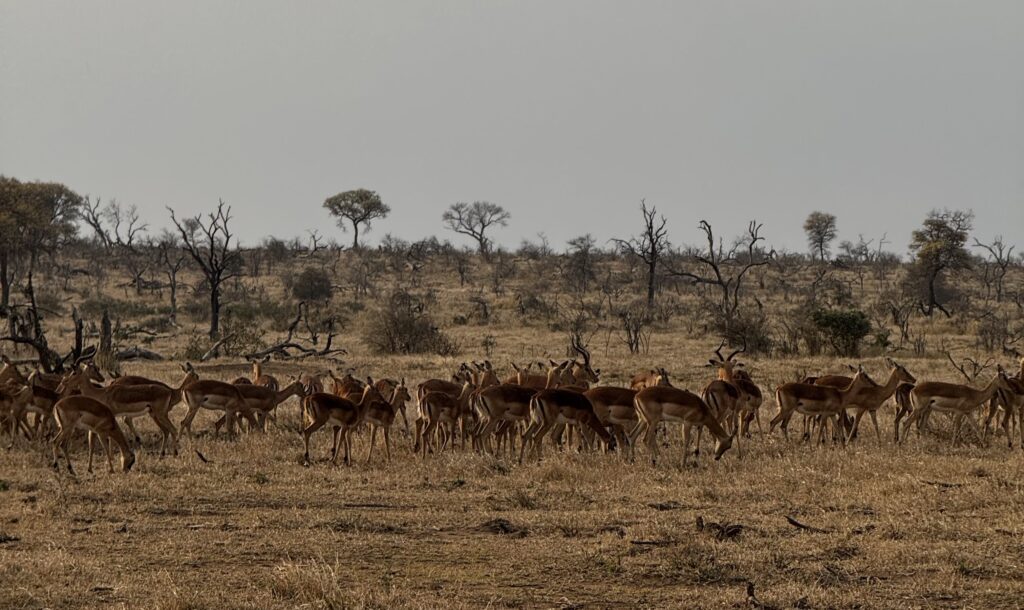
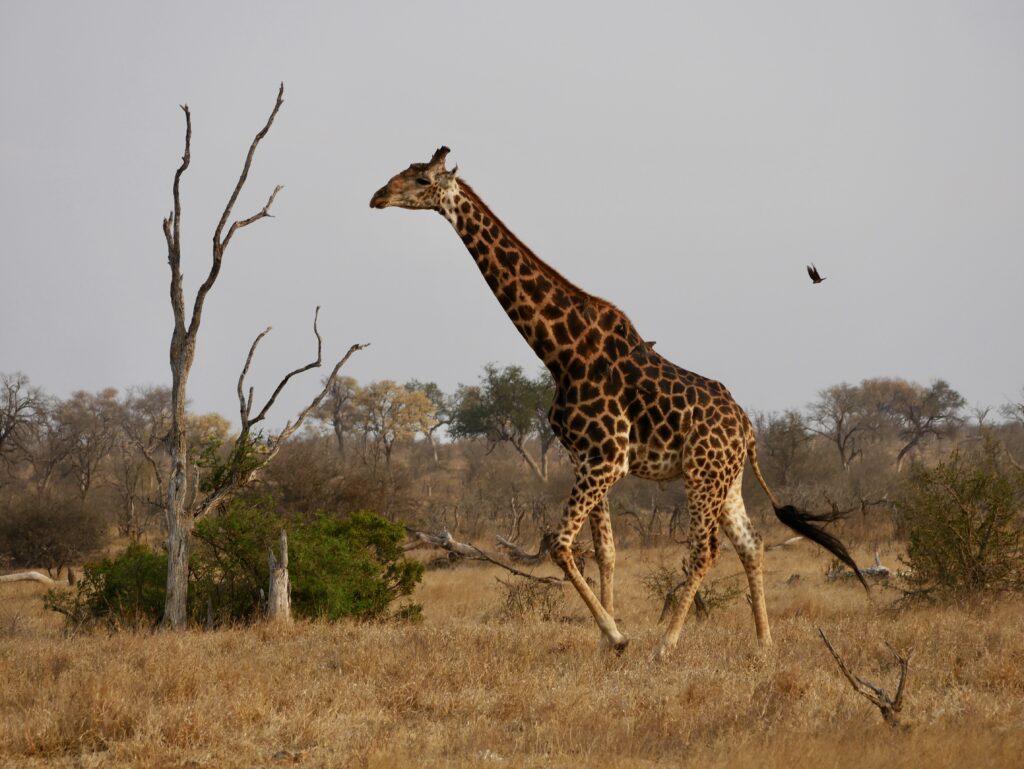
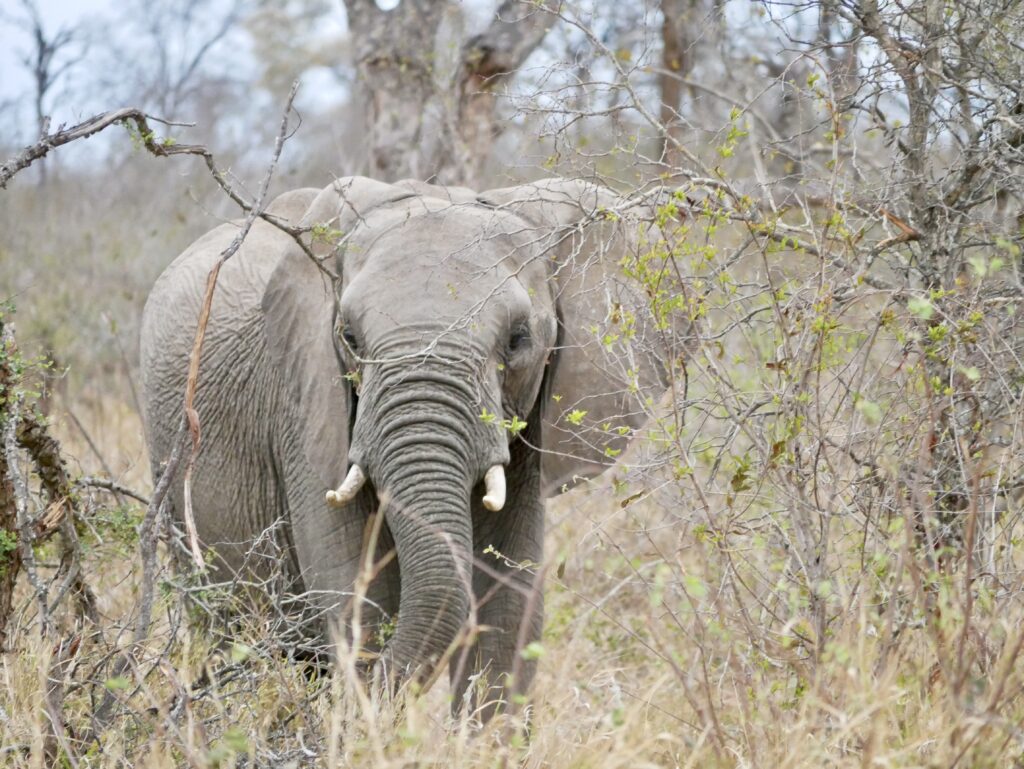
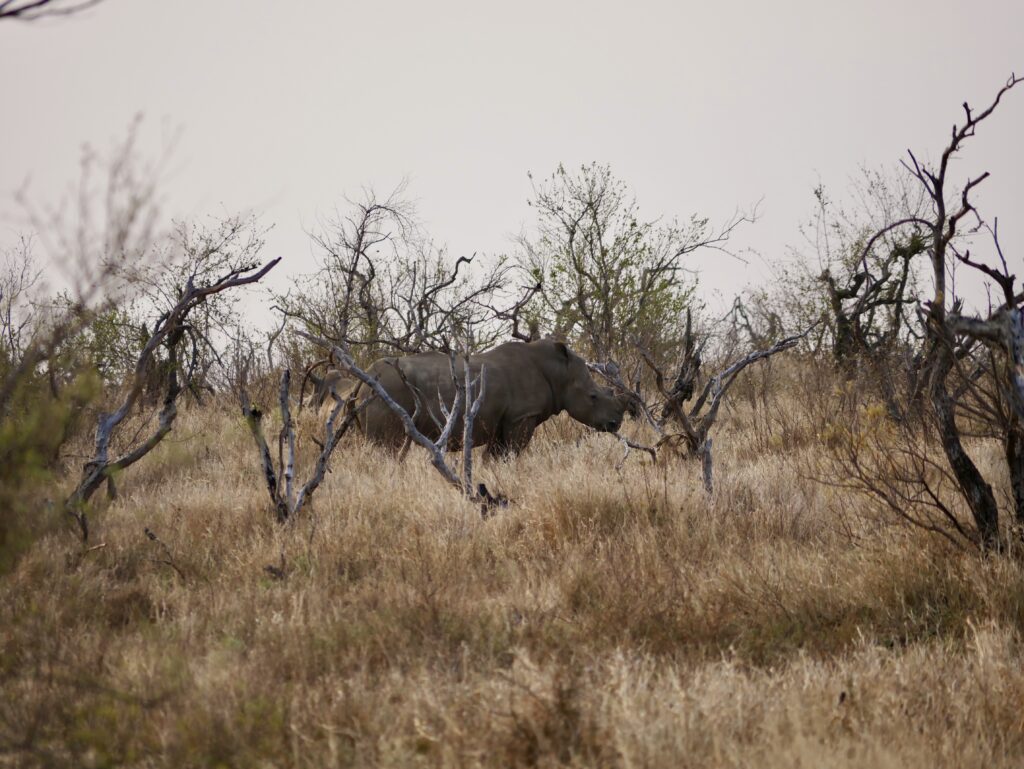
Our first game drive was that same afternoon, and the sheer range of animals we saw in just a few hours was wild: baboons, impalas, kudus, giraffes, zebras, elephants, rhinos, and even a boa and a cobra.
Game drives two and three: lions, up close
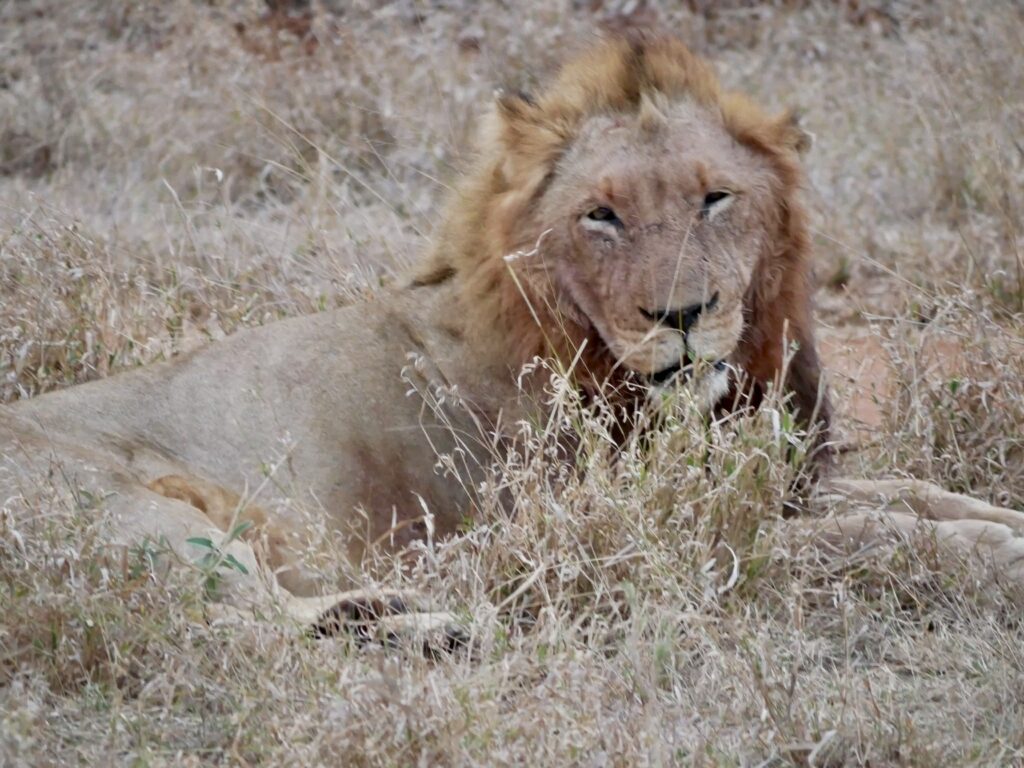
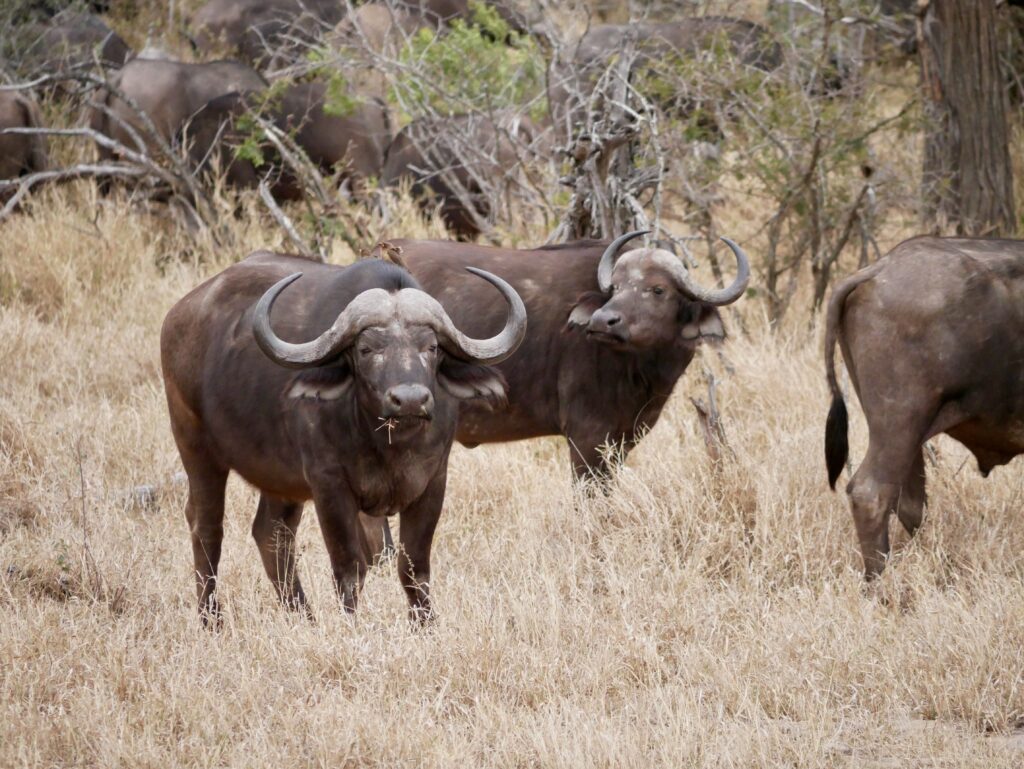
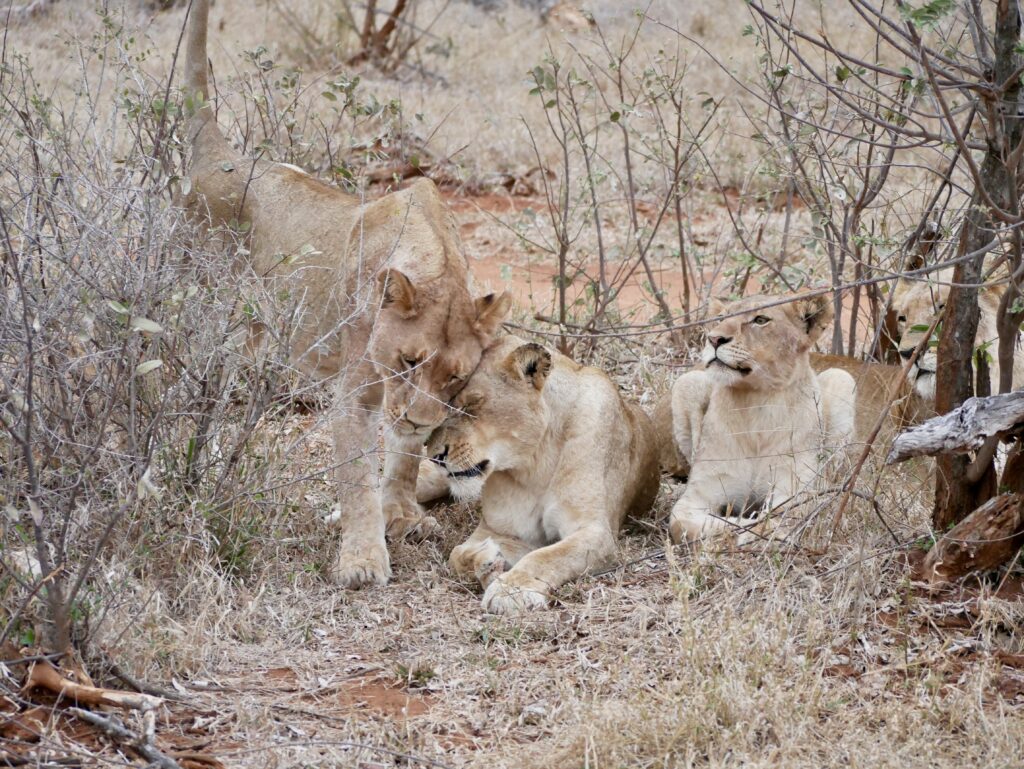
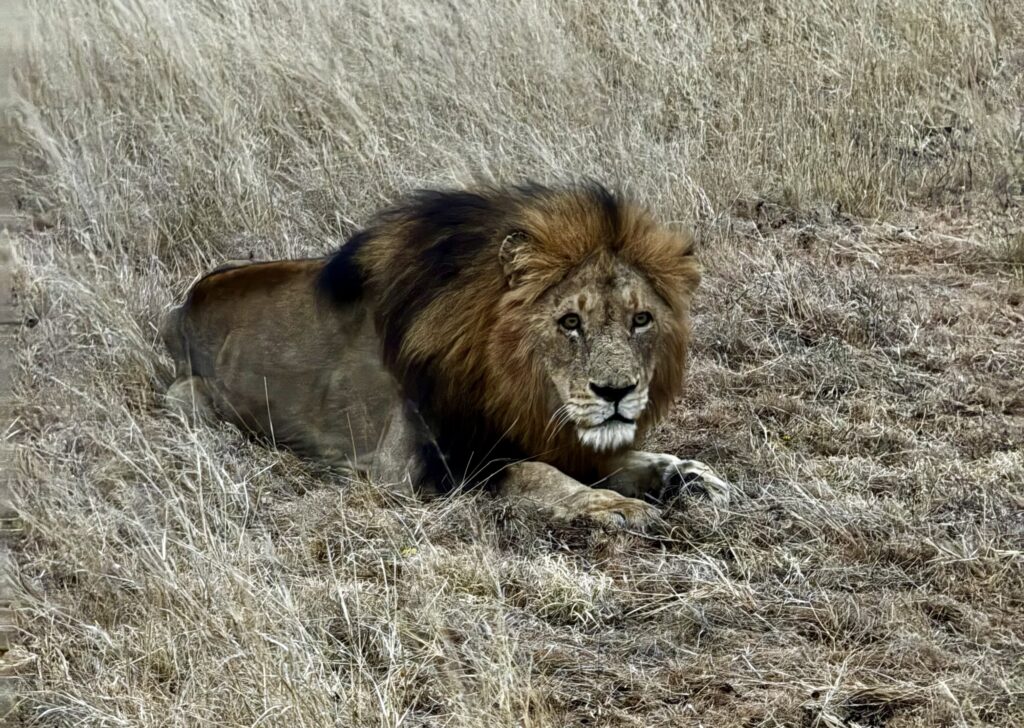
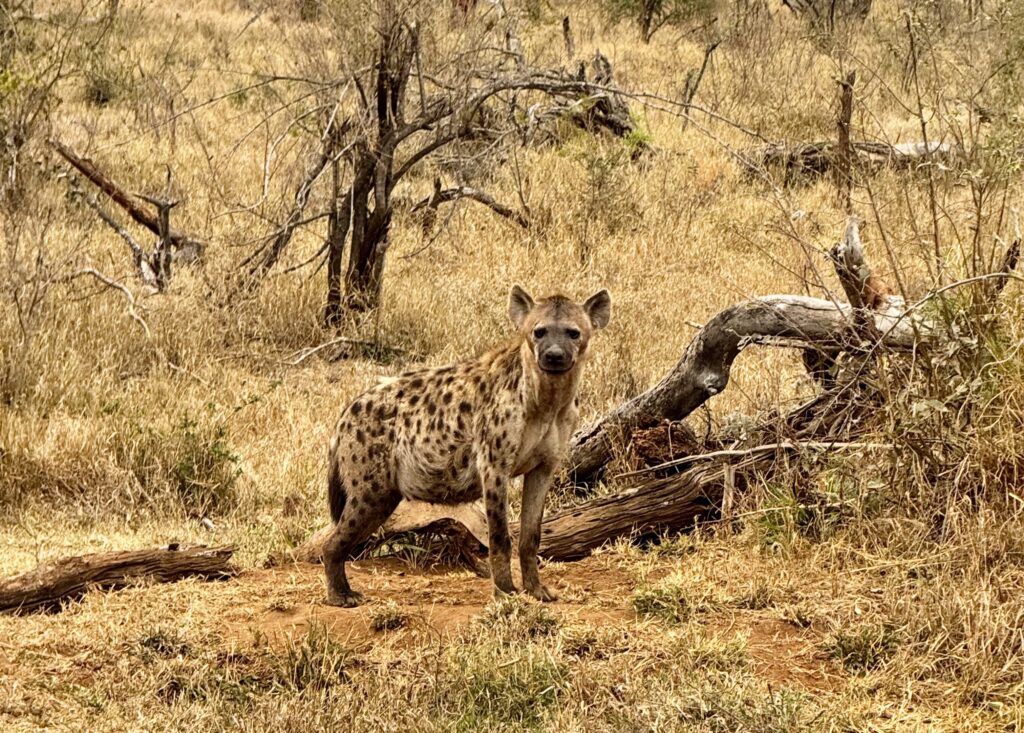
The next morning and afternoon drives brought lions, water buffalo, and more elephants. Our final morning drive added a hyena mother with her babies, more zebras, elephants, and giraffes.
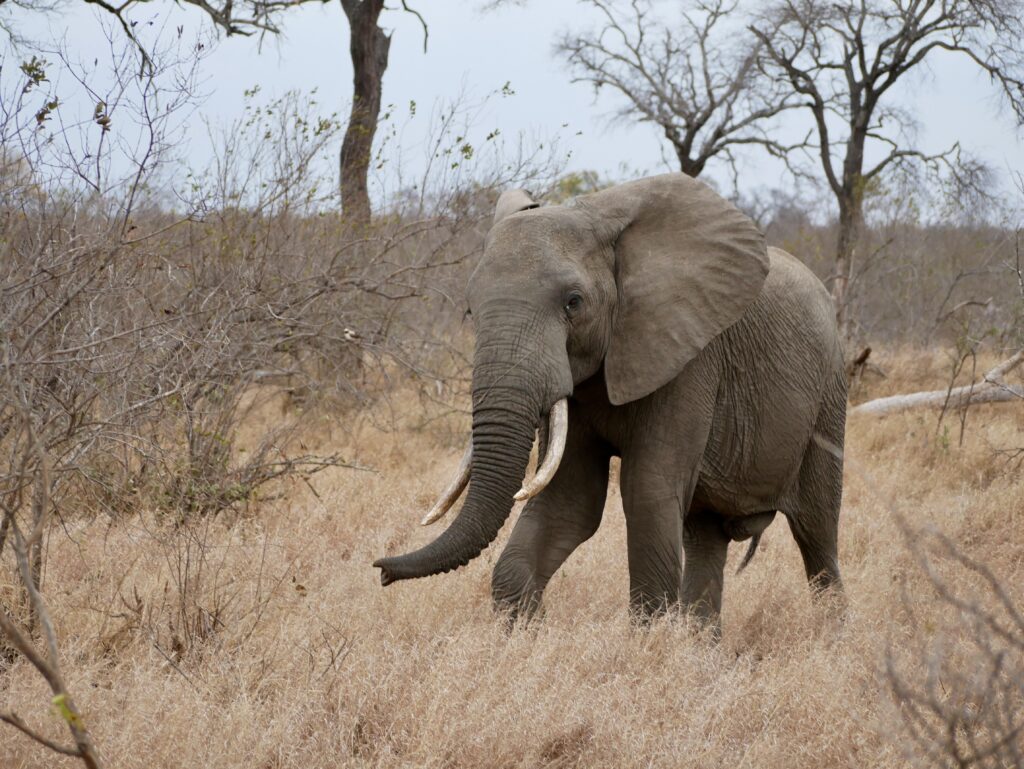
By the end, elephants started to feel almost common, right alongside impalas, they were genuinely everywhere. It’s strange in a good way to see how much of the landscape, endless bush dotted with broken, half-eaten trees, is basically shaped by how many elephants live there.
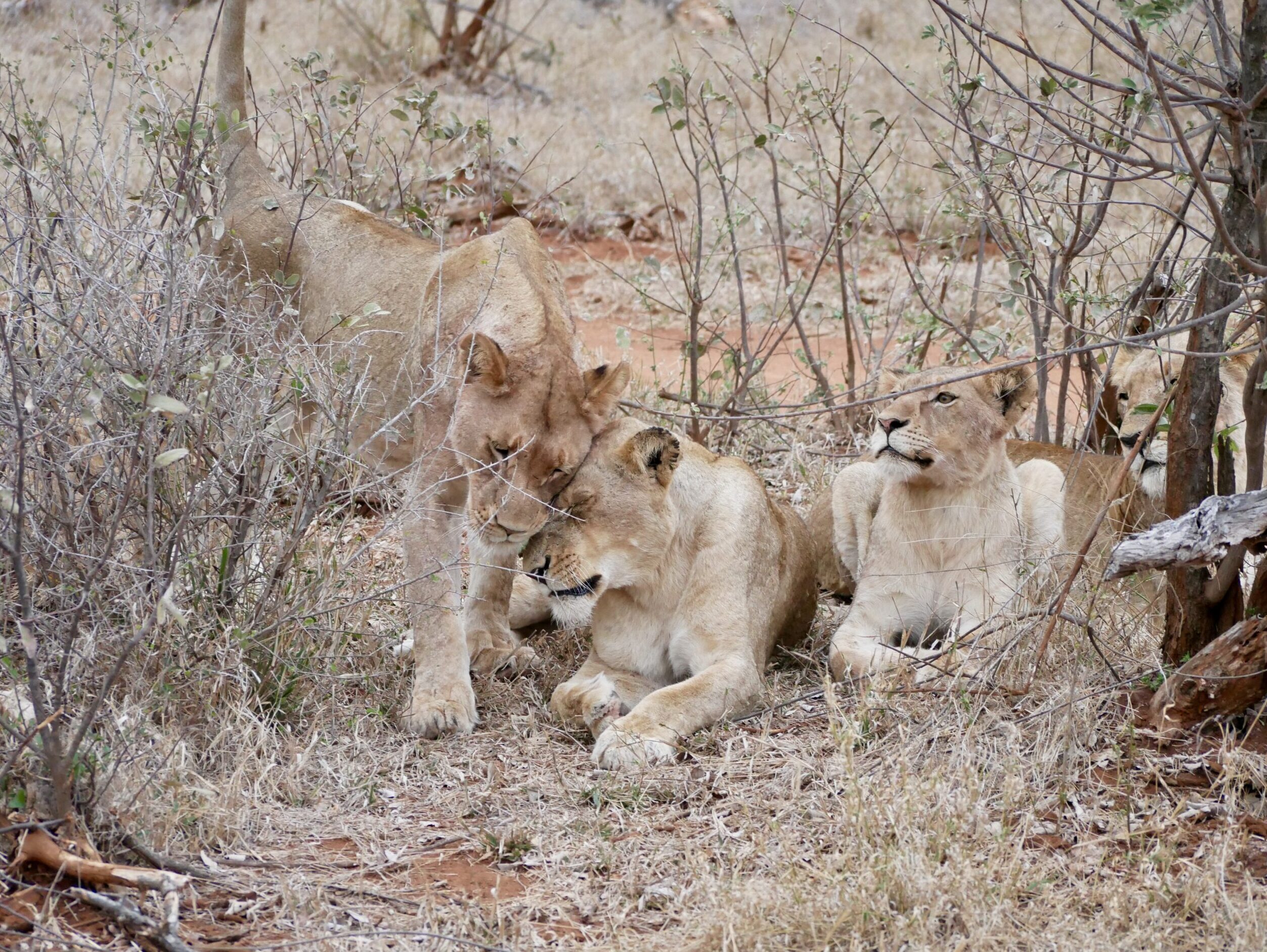
But the lions were the real standout. We came across a family of around fifteen, mothers, a father, and cubs, moving together from one area to another. They walked right past our vehicle, and their eyes genuinely gave me chills, like they were locked onto something with laser focus. What struck me most was how well they blend into the bush, I actually struggled to spot them even when our guide pointed right at them. I still don’t fully understand how anything else in that ecosystem manages to see them coming in time.
Heading out
On the drive to the airport we passed warthogs digging through trash, a funny, slightly less glamorous send-off. We picked up a few souvenirs before flying out, HDS to JNB, then JNB to EWR, closing out the whole trip.
Practical tips for packing
A few things worth having if you’re planning a safari of your own:
- Sunglasses that block side light, not just regular ones. Wind and glare come from every angle on an open game vehicle, so something wraparound helps a lot.
- Layer your clothing. We went during the shoulder between summer and fall, and it got genuinely cold at night and early morning, even though days were warm. Most lodges provide blankets and rain ponchos on the vehicles, but I’d still bring your own layers rather than rely on that alone.
- Comfortable sneakers. You’re not hiking, but you are getting in and out of vehicles and walking around the lodge grounds a fair amount.
- Neutral-colored clothing, partly for the classic safari photos, but also just practical, bright colors stand out more to wildlife and in photos both.
- A hat or cap. Sun exposure adds up fast during midday drives.
- Digestion supplements or medicine, just in case. And if you tend to struggle with unfamiliar food when traveling, pack some shelf-stable snacks or meals as backup.
- The basics: toothbrush and toothpaste, skincare and cosmetics, extra socks and underwear, sunscreen, and bug spray. We didn’t end up needing the bug spray since we went in winter, but I’d still pack it, conditions can vary by lodge and season.